All materials · horse
Search the dictionaries, texts, images and API records available for this entry. Source matches are not curated endorsements.
Return to the curated articleSource / API coverage for this entry
Counts above cover loaded, permitted materials. Unavailable or not-yet-loaded sources are not evidence of an empty catalogue. Browser-only results remain on your device.
- Bing News · not loaded for this entry
- CineGraph · not loaded for this entry
- Wikimedia Commons · not loaded for this entry
- GIPHY · browser results · inspect complete records for status
- The Guardian · not loaded for this entry
- The Met · not loaded for this entry
- Open Library · not loaded for this entry
- Openverse · not loaded for this entry
- Pexels · not loaded for this entry
- PoetryDB · not loaded for this entry
- Spotify · not loaded for this entry
- Unsplash · not loaded for this entry
- Wikiquote · not loaded for this entry
Inspect complete source records and provider status
horse
+7 variants
- /hɔːs/
- /hɔɹs/
- [ho̝ːs] Australia
- [ho̞ɹs] General-American
- /hɒs/ Eastern-New-England
- /hoːs/ Australia
- /hoɹs/ General-American
- /hɔɾs/ Scotland
- recording
- recording General-American
noun
domesticated four-footed mammal from the equine family Wikidata where this came from — Wikidata
Definitions
3 dictionaries
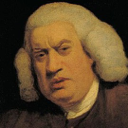 Samuel Johnson
18th century ·
1755 ·
noun ·
1,604 characters
1. A neighing quadruped, used in war, and draught and carriage. Duncan's horses, the minions of the race, Turn'd wild in nature, broke their stalls. Shakesp. Macbeth. A horse! a horse! my kingdom for a horse! Shak. R. II
Samuel Johnson
18th century · 1755 · noun · 1,604 characters
1. A neighing quadruped, used in war, and draught and carriage. Duncan's horses, the minions of the race, Turn'd wild in nature, broke their stalls. Shakesp. Macbeth. A horse! a horse! my kingdom for a horse! Shak. R. II
1. A neighing quadruped, used in war, and draught and carriage.
Duncan's horses, the minions of the race,
Turn'd wild in nature, broke their stalls. Shakesp. Macbeth.
A horse! a horse! my kingdom for a horse! Shak. R. III.
I would sell my horse, and buy ten more
Better than he. Shakesp. Timon of Athens.
Thy face, bright centaur, Autumn's heats retain,
The softer season suiting to the man;
Whilst Winter's shivering goat afflicts the horse
With frost, and makes him an uneasy course. Creech.
Read the rest of this entry · 1,101 characters Fold this entry
We call a little horse, such a one as comes not up to the size
of that idea which we have in our minds to belong ordinarily
to horses. Locke.
I took horse to the lake of Constance, which is formed by
the entry of the Rhine. Addison on Italy.
2. It is used in the plural sense, but with a singular termination, for horses, horsemen, or cavalry.
I did hear
The galloping of horse: who was't came by? Shak. Macb.
The armies were appointed, consisting of twenty-five thousand horse and foot, for the repulsing of the enemy at their
landing. Bacon's War with Spain.
If they had known that all the king's horse were quartered
behind them, their foot might very well have marched away
with their horse. Clarendon, b. viii.
Th' Arcadian horse
With ill success engage the Latin force. Dryden's Æn.
3. Something on which any thing is supported: as, a horse to dry linnen on.
4. A wooden machine which soldiers ride by way of punishment. It is sometimes called a timber-mare.
5. Joined to another substantive, it signifies something large or coarse: as, a horseface, a face of which the features are large and indelicate.
Read this at Samuel Johnson where this came from — Samuel Johnson, A Dictionary of the English Language
 Open English WordNet 2025
2025 ·
noun ·
5 senses
solid-hoofed herbivorous quadruped domesticated since prehistoric times
Open English WordNet 2025
2025 · noun · 5 senses
solid-hoofed herbivorous quadruped domesticated since prehistoric times
-
●
solid-hoofed herbivorous quadruped domesticated since prehistoric timesnarrower bangtail bay chestnut dawn horse female horse gee-gee hack harness horse high stepper liver chestnut male horse mesohippuspart of Equus
broader equine odd-toed ungulate ungulate placental mammal vertebrate chordate animal
-
●
a padded gymnastic apparatus on legs
broader gymnastic apparatus sports equipment equipment instrumentality artifact whole object physical entity
-
●
a chessman shaped to resemble the head of a horse; can move two squares horizontally and one vertically (or vice versa)
broader chessman man game equipment equipment instrumentality artifact whole object
2 more from this source · 2 senses
-
●
a framework for holding wood that is being sawednarrower trestle
broader framework supporting structure structure artifact whole object physical entity entity
-
●
troops trained to fight on horsebackparts trooper
broader military personnel force organization social group group abstraction entity
Read this at Open English WordNet 2025 where this came from — Open English WordNet 2025
 Wiktionary (English) via Kaikki
2026 ·
noun ·
23 senses
A hoofed mammal, Equus ferus caballus, often used throughout history for riding and draft work.
Wiktionary (English) via Kaikki
2026 · noun · 23 senses
A hoofed mammal, Equus ferus caballus, often used throughout history for riding and draft work.
-
1
A hoofed mammal, Equus ferus caballus, often used throughout history for riding and draft work. (countable, uncountable)
-
“A grain, which in England is generally given to horſes, but which in Scotland ſupports the people.”
1755 April 15, Samuel Johnson, “Oats”, in A Dictionary of the English Language: […], volume II (L–Z), London: […] J[ohn] and P[aul] Knapton; […], →OCLC, column 1
Wiktionary (English) via Kaikki
Plausible
-
“Athelstan Arundel walked home[…], foaming and raging. […] He walked the whole way, walking through crowds, and under the noses of dray-horses, carriage-horses, and cart-horses, without taking the least notice of them.”
1892, Walter Besant, “Prologue: Who is Edmund Gray?”, in The Ivory Gate […], New York, N.Y.: Harper & Brothers, […], →OCLC, page 16
Wiktionary (English) via Kaikki
Plausible
1 more quotation for this sense
-
“The departure was not unduly prolonged.[…]Within the door Mrs. Spoker hastily imparted to Mrs. Love a few final sentiments on the subject of Divine Intention in the disposition of buckets; farewells and last commiserations; a deep, guttural instigation to the horse; and the wheels of the waggonette crunched heavily away into obscurity.”
1921, Ben Travers, chapter 5, in A Cuckoo in the Nest, Garden City, N.Y.: Doubleday, Page & Company, published 1925, →OCLC
Wiktionary (English) via Kaikki
Plausible
-
-
2
Heroin (drug). (slang, uncountable)
-
“Riccio nodded toward a boy across the floor and said, “See that kid? He’s on dope.” The boy was standing against a wall, staring vacantly at the dancers, his face fixed in a gentle, faraway smile. Every few seconds, he would wipe his nose with the back of his hand. “Man, that Jo-Jo!” Benny said. “He’s stoned all the time.” “What’s he on—horse? Riccio asked, meaning heroin. “Who knows with that creep?” Benny said. I asked Benny if any special kind of boy went in for dope. “The creeps,” he said. “You know, the goofballs.” He searched for a word. “The weak kids. Like Jo-Jo. There ain’t nothing the guys can’t do to him. Last week, we took his pants off and made him run right in the middle of the street without them.””
1957 September 13, Walter Bernstein, “The Cherubs Are Rumbling”, in The New Yorker, archived from the original on 18 Feb 2024
Wiktionary (English) via Kaikki
Plausible
-
“Check that shirt. I got a couple of jolts of horse stashed under the collar”
1962, Cape Fear, 00:15:20
Wiktionary (English) via Kaikki
Plausible
1 more quotation for this sense
-
“It was to remember the juke box, the teasing, the dancing, the hard-on, the gang fights and gang bangs, his first set of drums—bought him by his father—his first taste of marijuana, his first snort of horse.”
1962, James Baldwin, Another Country, New York, N. Y.: The Dial Press, published January 1963, page 6
Wiktionary (English) via Kaikki
Plausible
-
-
3
Any member of the species Equus ferus, including the Przewalski's horse and the extinct Equus ferus ferus. (countable, uncountable)
show 20 more
-
4
Any current or extinct animal of the family Equidae, including zebras and asses. (countable, uncountable)
-
5
A male horse, as opposed to a mare. (countable, uncountable)
-
“‘That’s not a mare; that’s a b--- horse!’”
1933, Frank Clune, Try Anything Once, Sydney: Angus and Robertson, page 16
Wiktionary (English) via Kaikki
Plausible
-
-
6
Cavalry soldiers (sometimes capitalized when referring to an official category). (sometimes, uncountable)
-
7
The chess piece representing a knight, depicted as a horse. (countable, informal, uncountable)
-
8
A xiangqi piece that moves and captures one point orthogonally and then one point diagonally. (countable, uncountable)
-
9
A large and sturdy person. (countable, slang, uncountable)
-
10
A timber frame shaped like a horse, which soldiers were made to ride for punishment. (countable, historical, uncountable)
-
11
In gymnastics, a piece of equipment with a body on two or four legs, approximately four feet high, sometimes (pommel horse) with two handles on top. (countable, uncountable)
-
12
A frame with legs, used to support something. (countable, uncountable)
-
13
A rope stretching along a yard, upon which men stand when reefing or furling the sails; footrope. (countable, uncountable)
-
“The old “horse” has made way for the “foot-rope", though we still retain the term “Flemish horse" for the short foot-rope at the top-sail yard-arms”
1887, William Clark Russell, A Book for the Hammock
Wiktionary (English) via Kaikki
Plausible
-
-
14
A breastband for a leadsman. (countable, uncountable)
-
15
An iron bar for a sheet traveller to slide upon. (countable, uncountable)
-
16
A jackstay. (countable, uncountable)
-
“But in all the wild tumult he noticed, and never forgot, the wicked, set little eye—something like a circus elephant's eye—of a whale that drove along almost level with the water, and, so he said, winked at him. Three boats found their rodings fouled by these reckless mid-sea hunters, and were towed half a mile ere their horses shook the line free.”
1897, Rudyard Kipling, Captains Courageous
Wiktionary (English) via Kaikki
Plausible
-
-
17
A mass of earthy matter, or rock of the same character as the wall rock, occurring in the course of a vein, as of coal or ore; hence, to take horse (said of a vein) is to divide into branches for a distance. (countable, uncountable)
-
18
An informal variant of basketball in which players match shots made by their opponent(s), each miss adding a letter to the word "horse", with 5 misses spelling the whole word and eliminating a player, until only the winner is left. Also HORSE, H-O-R-S-E or H.O.R.S.E. (see H-O-R-S-E on WikipediaWikipedia ). (US, countable, uncountable)
-
19
The flesh of a horse as an item of cuisine. (uncountable)
-
“She said: "I'm starved. I could eat a horse." I told her she was lying, because I had once eaten horse.”
1946, George Johnston, Skyscrapers in the Mist, page 46
Wiktionary (English) via Kaikki
Plausible
-
-
20
A prison guard who smuggles contraband in or out for prisoners. (countable, slang, uncountable)
-
“This "horse" (a slang term for prison officers who smuggle contraband into the institution) was probably able "to stay in business" for such a long time because he only "packed" for powerful, trustworthy prisoners […]”
1980, Lee Harrington Bowker, Prison Victimization, page 117
Wiktionary (English) via Kaikki
Plausible
-
-
21
A translation or other illegitimate aid in study or examination. (countable, dated, slang, uncountable)
-
22
Horseplay; tomfoolery. (countable, dated, slang, uncountable)
-
23
A player who has been staked, i.e. another player has paid for their buy-in and claims a percentage of any winnings. (countable, slang, uncountable)
Read this at Wiktionary (English) via Kaikki where this came from — Wiktionary (English) via Kaikki
Examples
95 named by the record
- Alligator Blood
- Animal Kingdom
- Ask
- Bayardo
- Beam
- Bee Bee Bee
- Big Game
- Black Jack
- Blue Point
- Bluebird
- Bob's Return
- Brooklyn Supreme
83 more named
- Bucephalus
- Buckskin
- Bunting
- Cade
- Chic
- Coastal
- Crab
- Da Hoss
- Daddy Long Legs
- Dauber
- Eliza
- Fisherman
- Fisherman
- Flashing
- Flit
- Forever Young
- Friesan Fire
- Gander
- Golden Cygnet
- Golden Fleece
- Grunt
- Harvester
- Hellenic
- Hippodamia
- Honeysuckle
- Jerry
- Jerry
- Judy the Beauty
- Kashmir
- Kingfisher
- Kingston
- Kingston Hill
- Kiwi
- Lope de Vega
- Luth Enchantee
- Luthier
- Malibu Moon
- Mate
- Meisho Doto
- Mejiro Ardan
- Mejiro Bright
- Mejiro Dober
- Mejiro McQueen
- Mejiro Palmer
- Mejiro Ramonu
- Mejiro Ryan
- Moonshell
- Needles
- Pan
- Papillon
- Peregrine
- Pippie
- Pretty Polly
- Prunella
- Pussy
- Railings
- Real Quiet
- Rhythm
- Roan Allen
- Roly Poly
- Roving Boy
- Seabiscuit
- Serpentine
- Shannon
- Snap
- Soothsayer
- Spanker
- Spark
- Springfield
- Sunstar
- Survivor
- Swiftfoot
- The Assyrian
- The Barb
- The Bug
- The Grasshopper
- The Green Monkey
- The Hawk
- The Huntsman
- The Lambkin
- Thrush
- William
- Wolfhound
-
95
filed as instances of horse by
 Wikidata
, none of them a word yet
 Urban Dictionary
read this at Urban Dictionary
Asking Urban Dictionary…
Crowd-sourced and unreviewed. Fetched by your browser; nothing is stored here.
Out in the world
14 things · every match says why it is here
Artworks
12
Saved catalog
-
-

The Garden of Earthly Delights
1490 Artwork
Hieronymus Bosch
The Garden of Earthly Delights by Bosch High Resolution 2.jpg · Wikimedia Commons
Open at Wikidata -
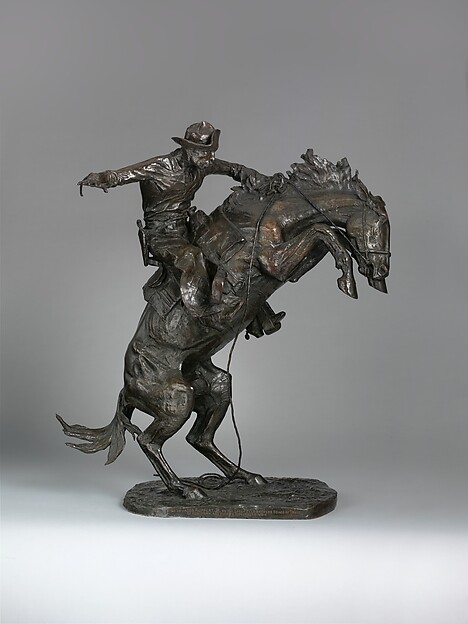
The Broncho Buster
1895, revised 1909, cast by November 1910 Artwork
Frederic Remington
Bequest of Jacob Ruppert, 1939
Open at The Met -

The Surrender of Brea
1635 Artwork
Diego Velázquez
Velazquez-The Surrender of Breda.jpg · Wikimedia Commons
Open at Wikidata -

Double-Barreled Wheellock Pistol Made for Emperor Charles V (reigned 1519–56)
ca. 1540–45 Artwork
Peter Peck
Gift of William H. Riggs, 1913
Open at The Met -

Death of Sardanapalus
1827 Artwork
Eugène Delacroix
La Mort de Sardanapale - Eugène Delacroix - Musée du Louvre Peintures RF 2346.jpg · Wikimedia Commons
Open at Wikidata -

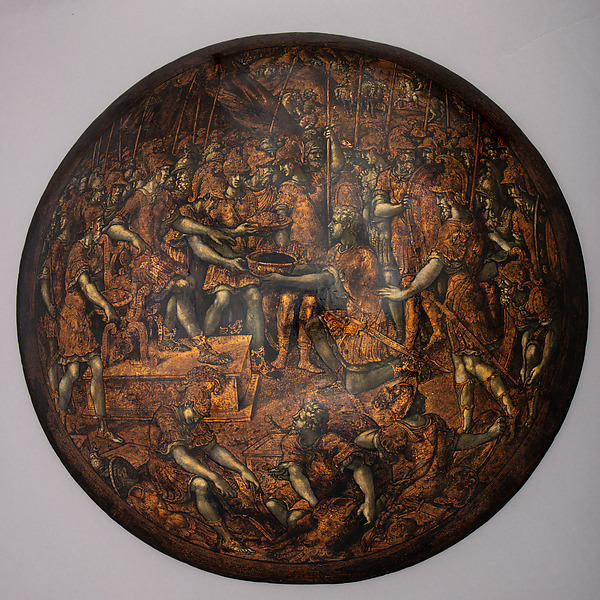
Shield of Henry II of France (reigned 1547–59)
ca. 1555 Artwork
Harris Brisbane Dick Fund, 1934
Open at The Met -

The Hay Wain
1821 Artwork
John Constable
John Constable - The Hay Wain (1821).jpg · Wikimedia Commons
Open at Wikidata -
-

The Massacre at Chios
1824 Artwork
Eugène Delacroix
Scène des massacres de Scio, Eugène Delacroix - Musée du Louvre Peintures INV 3823 ; C3.jpg · Wikimedia Commons
Open at Wikidata -

Album of Tournaments and Parades in Nuremberg
late 16th–mid-17th century Artwork
Rogers Fund, 1922
Open at The Met -

Landscape with the Fall of Icarus
2000 Artwork
Pieter Bruegel the Elder - Landscape with the Fall of Icarus - Brussels, Royal Museums of Fine Arts of Belgium - Google Arts & Culture.jpg · Wikimedia Commons
Open at Wikidata
Held since 17 Sep 2026.
Quotes
2
 Wikiquote, public domain
👑 Public domain
-
“For young hot colts being rag'd, do rage the more.”
William ShakespeareFirst Folio, 1623
Wikiquote, public domain
Verified
Wikiquote, CC BY-SA 4.0 held locally Evidence
-
“Round-hoof'd, short-jointed, fetlocks shag and long, Broad breast, full eye, small head and nostril wide, High crest, short ears, straight legs and passing strong, Thin mane, thick tail, broad buttock, tender hide: Look, what a horse should have he did not lack, Save a proud rider on so proud a back.”
William ShakespeareVenus and Adonis, 1593
Wikiquote, public domain
Verified
Wikiquote, CC BY-SA 4.0 held locally Evidence
Held since 24 Sep 2026.
GIFs
 GIPHY

Looking for GIFs…
Fetched by your browser on this visit; nothing is stored here.
Search matches, not reviewed interpretations. Hover, focus or press Play to animate.
Matches for “horse” · About these results
Artworks
Saved catalog · The Met, Wikidata
Catalog matches from The Met, Wikidata, held locally rather than searched for on this visit. None is an accepted interpretation: a contributor connects an exact meaning and reviewers decide the claim. Browse saved artworks
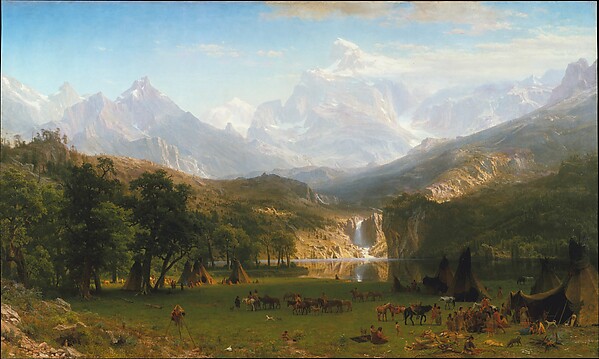
- The Rocky Mountains, Lander's Peak: Direct depiction of “horse” (Q726) tagged “Horses”. · not yet reviewed
- The Garden of Earthly Delights: Direct depiction of “horse” (Q726) tagged “horse”. · not yet reviewed
- The Broncho Buster: Direct depiction of “horse” (Q726) tagged “Horses”. · not yet reviewed
- The Surrender of Brea: Direct depiction of “horse” (Q726) tagged “horse”. · not yet reviewed
- Double-Barreled Wheellock Pistol Made for Emperor Charles V (reigned 1519–56): Direct depiction of “horse” (Q726) tagged “Horses”. · not yet reviewed
- Death of Sardanapalus: Direct depiction of “horse” (Q726) tagged “horse”. · not yet reviewed
- Shield of Henry II of France (reigned 1547–59): Direct depiction of “horse” (Q726) tagged “Horses”. · not yet reviewed
- The Hay Wain: Direct depiction of “horse” (Q726) tagged “horse”. · not yet reviewed
- Shield: Direct depiction of “horse” (Q726) tagged “Horses”. · not yet reviewed
- The Massacre at Chios: Direct depiction of “horse” (Q726) tagged “horse”. · not yet reviewed
- Album of Tournaments and Parades in Nuremberg: Direct depiction of “horse” (Q726) tagged “Horses”. · not yet reviewed
- Landscape with the Fall of Icarus: Direct depiction of “horse” (Q726) tagged “horse”. · not yet reviewed
Quotes
Wikiquote, public domain · a verified public-domain selection
Public-domain lines from Wikiquote, public domain, held locally rather than searched for on this visit. Each was found in a Project Gutenberg text its credited author wrote before 1931, so the line and the credit agree with a primary source.
- For young hot colts being rag'd, do rage the more.: From Wikiquote's page “Horses”, the page of the concept this meaning refers to (Q726).
- Round-hoof'd, short-jointed, fetlocks shag and long, Broad breast, full eye, small head and nostril wide, High crest, short ears, straight legs and passing strong, Thin mane, thick tail, broad buttock, tender hide: Look, what a horse should have he did not lack, Save a proud rider on so proud a back.: From Wikiquote's page “Horses”, the page of the concept this meaning refers to (Q726).
Subjects
12 subjects · 0 addressed
Found by name and by the sources. Not reviewed: a shared name is not a shared identity.
Subject
cavalry
soldiers or warriors fighting from horseback
Unclassified
Subject
Equus caballus
domestic horse, species of mammal
Unclassified
Subject
Equus ferus caballus
subspecies of mammal
Unclassified
Subject
horse
domesticated four-footed mammal from the equine family
Unclassified
Subject
Horse
Wikimedia disambiguation page
Unclassified
Subject
Horse
1940 film by Akira Kurosawa, Kajirō Yamamoto
Unclassified
Subject
Horse
sign of Chinese zodiac
Unclassified
Subject
Horse
1965 film by Andy Warhol
Unclassified
Subject
Horse
2022 novel by Geraldine Brooks
Unclassified
Subject
Horse
2023 studio album by Prof
Unclassified
Subject
Horse
2021 single by Salvatore Ganacci
Unclassified
Subject
Horse
Any block of rock completely separated from the surrounding rock either by mineral veins or fault planes.
Unclassified
the sources name more than one thing
- Equus ferus caballus — subspecies of mammal (Q26644764 · wordnet_wikidata · 0.9)
- Equus caballus — domestic horse, species of mammal (Q10758650 · wordnet_wikidata · 0.9)
- cavalry — soldiers or warriors fighting from horseback (Q47315 · wordnet_wikidata · 0.9)
- horse — domesticated four-footed mammal from the equine family (Q726 · wiktionary_qid · 0.95)

horse
domesticated four-footed mammal from the equine family
Equus ferus caballus
Wikipedia Q726 where this came from — the thing this word names — horse
The horse (Equus ferus caballus) is a domesticated, one-toed, hoofed mammal. It belongs to the taxonomic family Equidae and is one of two extant subspecies of Equus ferus. The horse has evolved over the past 45 to 55 million years from a small multi-toed creature, Eohippus, into the large single-toed animal of today, originally in North America. Humans began domesticating horses around 4000 BCE in Central Asia, primarily associated with the Botai culture; and their domestication is believed to have been widespread by 3000 BCE.
… 2,135 more Fold this article
Horses in the subspecies caballus are domesticated, although some domesticated populations live in the wild as feral horses. These feral populations are not true wild horses, which are horses that have never been domesticated. There is an extensive, specialized vocabulary used to describe equine-related concepts, covering everything from anatomy to life stages, size, colors, markings, breeds, locomotion, and behavior.
Horses are adapted to run, allowing them to quickly escape predators, and possess a good sense of balance and a strong fight-or-flight response. Related to this ability to flee from predators in the wild is an unusual trait: horses are able to sleep both standing up and lying down, with younger horses tending to sleep significantly more than adults. Female horses, called mares, carry their young for approximately 11 months and a young horse, called a foal, can stand and run shortly following birth. Most domesticated horses begin training under a saddle or in a harness between the ages of two and four. They reach full adult development by age five, and have an average lifespan of between 25 and 30 years.
Horse breeds are loosely divided into three categories based on general temperament: spirited "hot bloods" with speed and endurance; "cold bloods", such as draft horses and some ponies, suitable for slow, heavy work; and "warmbloods", developed from crosses between hot bloods and cold bloods, often focusing on creating breeds for specific riding purposes, particularly in Europe. There are more than 300 breeds of horse in the world today, developed for many different uses.
Horses and humans interact in a wide variety of sport competitions and non-competitive recreational pursuits as well as in working activities such as police work, agriculture, entertainment, and therapy. Horses were historically used in warfare, from which a wide variety of riding and driving techniques developed, using many different styles of equipment and methods of control. Many products are derived from horses, including meat, milk, hide, hair, bone, and pharmaceuticals extracted from the urine of pregnant mares.
 Wikipedia (English)
read this at Wikipedia (English)
where this came from — Wikipedia (English)
a kind of animal Apoikozoa Filozoa Holozoa Opisthokonta Amorphea eukaryote Cytota
may also refer to
- horse — domesticated four-footed mammal from the equine family
Public linked claims
What the existing sources assert about these meanings. These are source claims, not curated endorsements.
-
Big Game instance of horse
Wikidata · assertion revision 1188169
Source, evidence and revision history -
Big Game instance of horse
Wikidata · assertion revision 1188169
Source, evidence and revision history -
Big Game instance of horse
Wikidata · assertion revision 1188169
Source, evidence and revision history -
Big Game instance of horse
Wikidata · assertion revision 1188169
Source, evidence and revision history -
Big Game instance of horse
Wikidata · assertion revision 1188169
Source, evidence and revision history -
Big Game instance of horse
Wikidata · assertion revision 1188169
Source, evidence and revision history -
Big Game instance of horse
Wikidata · assertion revision 1188169
Source, evidence and revision history -
Big Game instance of horse
Wikidata · assertion revision 1188169
Source, evidence and revision history -
Big Game instance of horse
Wikidata · assertion revision 1188169
Source, evidence and revision history -
Blue Point instance of horse
Wikidata · assertion revision 1188223
Source, evidence and revision history -
Blue Point instance of horse
Wikidata · assertion revision 1188223
Source, evidence and revision history -
Blue Point instance of horse
Wikidata · assertion revision 1188223
Source, evidence and revision history -
Blue Point instance of horse
Wikidata · assertion revision 1188223
Source, evidence and revision history -
Blue Point instance of horse
Wikidata · assertion revision 1188223
Source, evidence and revision history -
Blue Point instance of horse
Wikidata · assertion revision 1188223
Source, evidence and revision history -
Blue Point instance of horse
Wikidata · assertion revision 1188223
Source, evidence and revision history -
Blue Point instance of horse
Wikidata · assertion revision 1188223
Source, evidence and revision history -
Blue Point instance of horse
Wikidata · assertion revision 1188223
Source, evidence and revision history -
Buckskin instance of horse
Wikidata · assertion revision 1188264
Source, evidence and revision history -
Buckskin instance of horse
Wikidata · assertion revision 1188264
Source, evidence and revision history -
Buckskin instance of horse
Wikidata · assertion revision 1188264
Source, evidence and revision history -
Buckskin instance of horse
Wikidata · assertion revision 1188264
Source, evidence and revision history -
Buckskin instance of horse
Wikidata · assertion revision 1188264
Source, evidence and revision history -
Buckskin instance of horse
Wikidata · assertion revision 1188264
Source, evidence and revision history -
Buckskin instance of horse
Wikidata · assertion revision 1188264
Source, evidence and revision history -
Buckskin instance of horse
Wikidata · assertion revision 1188264
Source, evidence and revision history -
Buckskin instance of horse
Wikidata · assertion revision 1188264
Source, evidence and revision history -
Bunting instance of horse
Wikidata · assertion revision 1188443
Source, evidence and revision history -
Bunting instance of horse
Wikidata · assertion revision 1188443
Source, evidence and revision history -
Bunting instance of horse
Wikidata · assertion revision 1188443
Source, evidence and revision history -
Bunting instance of horse
Wikidata · assertion revision 1188443
Source, evidence and revision history -
Bunting instance of horse
Wikidata · assertion revision 1188443
Source, evidence and revision history -
Bunting instance of horse
Wikidata · assertion revision 1188443
Source, evidence and revision history -
Bunting instance of horse
Wikidata · assertion revision 1188443
Source, evidence and revision history -
Bunting instance of horse
Wikidata · assertion revision 1188443
Source, evidence and revision history -
Bunting instance of horse
Wikidata · assertion revision 1188443
Source, evidence and revision history -
Daddy Long Legs instance of horse
Wikidata · assertion revision 1188525
Source, evidence and revision history -
Daddy Long Legs instance of horse
Wikidata · assertion revision 1188525
Source, evidence and revision history -
Daddy Long Legs instance of horse
Wikidata · assertion revision 1188525
Source, evidence and revision history -
Daddy Long Legs instance of horse
Wikidata · assertion revision 1188525
Source, evidence and revision history -
Daddy Long Legs instance of horse
Wikidata · assertion revision 1188525
Source, evidence and revision history -
Daddy Long Legs instance of horse
Wikidata · assertion revision 1188525
Source, evidence and revision history -
Daddy Long Legs instance of horse
Wikidata · assertion revision 1188525
Source, evidence and revision history -
Daddy Long Legs instance of horse
Wikidata · assertion revision 1188525
Source, evidence and revision history -
Daddy Long Legs instance of horse
Wikidata · assertion revision 1188525
Source, evidence and revision history -
Friesan Fire instance of horse
Wikidata · assertion revision 1188681
Source, evidence and revision history -
Friesan Fire instance of horse
Wikidata · assertion revision 1188681
Source, evidence and revision history -
Friesan Fire instance of horse
Wikidata · assertion revision 1188681
Source, evidence and revision history -
Friesan Fire instance of horse
Wikidata · assertion revision 1188681
Source, evidence and revision history -
Friesan Fire instance of horse
Wikidata · assertion revision 1188681
Source, evidence and revision history -
Friesan Fire instance of horse
Wikidata · assertion revision 1188681
Source, evidence and revision history -
Friesan Fire instance of horse
Wikidata · assertion revision 1188681
Source, evidence and revision history -
Friesan Fire instance of horse
Wikidata · assertion revision 1188681
Source, evidence and revision history -
Friesan Fire instance of horse
Wikidata · assertion revision 1188681
Source, evidence and revision history -
Gander instance of horse
Wikidata · assertion revision 1188740
Source, evidence and revision history -
Gander instance of horse
Wikidata · assertion revision 1188740
Source, evidence and revision history -
Gander instance of horse
Wikidata · assertion revision 1188740
Source, evidence and revision history -
Gander instance of horse
Wikidata · assertion revision 1188740
Source, evidence and revision history -
Gander instance of horse
Wikidata · assertion revision 1188740
Source, evidence and revision history -
Gander instance of horse
Wikidata · assertion revision 1188740
Source, evidence and revision history -
Gander instance of horse
Wikidata · assertion revision 1188740
Source, evidence and revision history -
Gander instance of horse
Wikidata · assertion revision 1188740
Source, evidence and revision history -
Gander instance of horse
Wikidata · assertion revision 1188740
Source, evidence and revision history -
Grunt instance of horse
Wikidata · assertion revision 1188760
Source, evidence and revision history -
Grunt instance of horse
Wikidata · assertion revision 1188760
Source, evidence and revision history -
Grunt instance of horse
Wikidata · assertion revision 1188760
Source, evidence and revision history -
Grunt instance of horse
Wikidata · assertion revision 1188760
Source, evidence and revision history -
Grunt instance of horse
Wikidata · assertion revision 1188760
Source, evidence and revision history -
Grunt instance of horse
Wikidata · assertion revision 1188760
Source, evidence and revision history -
Grunt instance of horse
Wikidata · assertion revision 1188760
Source, evidence and revision history -
Grunt instance of horse
Wikidata · assertion revision 1188760
Source, evidence and revision history -
Grunt instance of horse
Wikidata · assertion revision 1188760
Source, evidence and revision history -
The Lambkin instance of horse
Wikidata · assertion revision 1188928
Source, evidence and revision history -
The Lambkin instance of horse
Wikidata · assertion revision 1188928
Source, evidence and revision history -
The Lambkin instance of horse
Wikidata · assertion revision 1188928
Source, evidence and revision history -
The Lambkin instance of horse
Wikidata · assertion revision 1188928
Source, evidence and revision history -
The Lambkin instance of horse
Wikidata · assertion revision 1188928
Source, evidence and revision history -
The Lambkin instance of horse
Wikidata · assertion revision 1188928
Source, evidence and revision history -
The Lambkin instance of horse
Wikidata · assertion revision 1188928
Source, evidence and revision history -
The Lambkin instance of horse
Wikidata · assertion revision 1188928
Source, evidence and revision history -
The Lambkin instance of horse
Wikidata · assertion revision 1188928
Source, evidence and revision history -
Kiwi instance of horse
Wikidata · assertion revision 1188934
Source, evidence and revision history -
Kiwi instance of horse
Wikidata · assertion revision 1188934
Source, evidence and revision history -
Kiwi instance of horse
Wikidata · assertion revision 1188934
Source, evidence and revision history -
Kiwi instance of horse
Wikidata · assertion revision 1188934
Source, evidence and revision history -
Kiwi instance of horse
Wikidata · assertion revision 1188934
Source, evidence and revision history -
Kiwi instance of horse
Wikidata · assertion revision 1188934
Source, evidence and revision history -
Kiwi instance of horse
Wikidata · assertion revision 1188934
Source, evidence and revision history -
Kiwi instance of horse
Wikidata · assertion revision 1188934
Source, evidence and revision history -
Kiwi instance of horse
Wikidata · assertion revision 1188934
Source, evidence and revision history -
Mate instance of horse
Wikidata · assertion revision 1188973
Source, evidence and revision history -
Mate instance of horse
Wikidata · assertion revision 1188973
Source, evidence and revision history -
Mate instance of horse
Wikidata · assertion revision 1188973
Source, evidence and revision history -
Mate instance of horse
Wikidata · assertion revision 1188973
Source, evidence and revision history -
Mate instance of horse
Wikidata · assertion revision 1188973
Source, evidence and revision history -
Mate instance of horse
Wikidata · assertion revision 1188973
Source, evidence and revision history -
Mate instance of horse
Wikidata · assertion revision 1188973
Source, evidence and revision history -
Mate instance of horse
Wikidata · assertion revision 1188973
Source, evidence and revision history -
Mate instance of horse
Wikidata · assertion revision 1188973
Source, evidence and revision history -
Moonshell instance of horse
Wikidata · assertion revision 1188989
Source, evidence and revision history -
Moonshell instance of horse
Wikidata · assertion revision 1188989
Source, evidence and revision history -
Moonshell instance of horse
Wikidata · assertion revision 1188989
Source, evidence and revision history -
Moonshell instance of horse
Wikidata · assertion revision 1188989
Source, evidence and revision history -
Moonshell instance of horse
Wikidata · assertion revision 1188989
Source, evidence and revision history -
Moonshell instance of horse
Wikidata · assertion revision 1188989
Source, evidence and revision history -
Moonshell instance of horse
Wikidata · assertion revision 1188989
Source, evidence and revision history -
Moonshell instance of horse
Wikidata · assertion revision 1188989
Source, evidence and revision history -
Moonshell instance of horse
Wikidata · assertion revision 1188989
Source, evidence and revision history -
Papillon instance of horse
Wikidata · assertion revision 1189140
Source, evidence and revision history -
Papillon instance of horse
Wikidata · assertion revision 1189140
Source, evidence and revision history -
Papillon instance of horse
Wikidata · assertion revision 1189140
Source, evidence and revision history -
Papillon instance of horse
Wikidata · assertion revision 1189140
Source, evidence and revision history -
Papillon instance of horse
Wikidata · assertion revision 1189140
Source, evidence and revision history -
Papillon instance of horse
Wikidata · assertion revision 1189140
Source, evidence and revision history -
Papillon instance of horse
Wikidata · assertion revision 1189140
Source, evidence and revision history -
Papillon instance of horse
Wikidata · assertion revision 1189140
Source, evidence and revision history -
Papillon instance of horse
Wikidata · assertion revision 1189140
Source, evidence and revision history -
Peregrine instance of horse
Wikidata · assertion revision 1189248
Source, evidence and revision history -
Peregrine instance of horse
Wikidata · assertion revision 1189248
Source, evidence and revision history -
Peregrine instance of horse
Wikidata · assertion revision 1189248
Source, evidence and revision history -
Peregrine instance of horse
Wikidata · assertion revision 1189248
Source, evidence and revision history -
Peregrine instance of horse
Wikidata · assertion revision 1189248
Source, evidence and revision history -
Peregrine instance of horse
Wikidata · assertion revision 1189248
Source, evidence and revision history -
Peregrine instance of horse
Wikidata · assertion revision 1189248
Source, evidence and revision history -
Peregrine instance of horse
Wikidata · assertion revision 1189248
Source, evidence and revision history -
Peregrine instance of horse
Wikidata · assertion revision 1189248
Source, evidence and revision history -
Roan Allen instance of horse
Wikidata · assertion revision 1189331
Source, evidence and revision history -
Roan Allen instance of horse
Wikidata · assertion revision 1189331
Source, evidence and revision history -
Roan Allen instance of horse
Wikidata · assertion revision 1189331
Source, evidence and revision history -
Roan Allen instance of horse
Wikidata · assertion revision 1189331
Source, evidence and revision history -
Roan Allen instance of horse
Wikidata · assertion revision 1189331
Source, evidence and revision history -
Roan Allen instance of horse
Wikidata · assertion revision 1189331
Source, evidence and revision history -
Roan Allen instance of horse
Wikidata · assertion revision 1189331
Source, evidence and revision history -
Roan Allen instance of horse
Wikidata · assertion revision 1189331
Source, evidence and revision history -
Roan Allen instance of horse
Wikidata · assertion revision 1189331
Source, evidence and revision history -
Thrush instance of horse
Wikidata · assertion revision 1189778
Source, evidence and revision history -
Thrush instance of horse
Wikidata · assertion revision 1189778
Source, evidence and revision history -
Thrush instance of horse
Wikidata · assertion revision 1189778
Source, evidence and revision history -
Thrush instance of horse
Wikidata · assertion revision 1189778
Source, evidence and revision history -
Thrush instance of horse
Wikidata · assertion revision 1189778
Source, evidence and revision history -
Thrush instance of horse
Wikidata · assertion revision 1189778
Source, evidence and revision history -
Thrush instance of horse
Wikidata · assertion revision 1189778
Source, evidence and revision history -
Thrush instance of horse
Wikidata · assertion revision 1189778
Source, evidence and revision history -
Thrush instance of horse
Wikidata · assertion revision 1189778
Source, evidence and revision history -
Animal Kingdom instance of horse
Wikidata · assertion revision 1190332
Source, evidence and revision history -
Animal Kingdom instance of horse
Wikidata · assertion revision 1190332
Source, evidence and revision history -
Animal Kingdom instance of horse
Wikidata · assertion revision 1190332
Source, evidence and revision history -
Animal Kingdom instance of horse
Wikidata · assertion revision 1190332
Source, evidence and revision history -
Animal Kingdom instance of horse
Wikidata · assertion revision 1190332
Source, evidence and revision history -
Animal Kingdom instance of horse
Wikidata · assertion revision 1190332
Source, evidence and revision history -
Animal Kingdom instance of horse
Wikidata · assertion revision 1190332
Source, evidence and revision history -
Animal Kingdom instance of horse
Wikidata · assertion revision 1190332
Source, evidence and revision history -
Animal Kingdom instance of horse
Wikidata · assertion revision 1190332
Source, evidence and revision history -
The Assyrian instance of horse
Wikidata · assertion revision 1190380
Source, evidence and revision history -
The Assyrian instance of horse
Wikidata · assertion revision 1190380
Source, evidence and revision history -
The Assyrian instance of horse
Wikidata · assertion revision 1190380
Source, evidence and revision history -
The Assyrian instance of horse
Wikidata · assertion revision 1190380
Source, evidence and revision history -
The Assyrian instance of horse
Wikidata · assertion revision 1190380
Source, evidence and revision history -
The Assyrian instance of horse
Wikidata · assertion revision 1190380
Source, evidence and revision history -
The Assyrian instance of horse
Wikidata · assertion revision 1190380
Source, evidence and revision history -
The Assyrian instance of horse
Wikidata · assertion revision 1190380
Source, evidence and revision history -
The Assyrian instance of horse
Wikidata · assertion revision 1190380
Source, evidence and revision history -
Ask instance of horse
Wikidata · assertion revision 1190422
Source, evidence and revision history -
Ask instance of horse
Wikidata · assertion revision 1190422
Source, evidence and revision history -
Ask instance of horse
Wikidata · assertion revision 1190422
Source, evidence and revision history -
Ask instance of horse
Wikidata · assertion revision 1190422
Source, evidence and revision history -
Ask instance of horse
Wikidata · assertion revision 1190422
Source, evidence and revision history -
Ask instance of horse
Wikidata · assertion revision 1190422
Source, evidence and revision history -
Ask instance of horse
Wikidata · assertion revision 1190422
Source, evidence and revision history -
Ask instance of horse
Wikidata · assertion revision 1190422
Source, evidence and revision history -
Ask instance of horse
Wikidata · assertion revision 1190422
Source, evidence and revision history -
Wolfhound instance of horse
Wikidata · assertion revision 1190530
Source, evidence and revision history -
Wolfhound instance of horse
Wikidata · assertion revision 1190530
Source, evidence and revision history -
Wolfhound instance of horse
Wikidata · assertion revision 1190530
Source, evidence and revision history -
Wolfhound instance of horse
Wikidata · assertion revision 1190530
Source, evidence and revision history -
Wolfhound instance of horse
Wikidata · assertion revision 1190530
Source, evidence and revision history -
Wolfhound instance of horse
Wikidata · assertion revision 1190530
Source, evidence and revision history -
Wolfhound instance of horse
Wikidata · assertion revision 1190530
Source, evidence and revision history -
Wolfhound instance of horse
Wikidata · assertion revision 1190530
Source, evidence and revision history -
Wolfhound instance of horse
Wikidata · assertion revision 1190530
Source, evidence and revision history -
Black Jack instance of horse
Wikidata · assertion revision 1190676
Source, evidence and revision history -
Black Jack instance of horse
Wikidata · assertion revision 1190676
Source, evidence and revision history -
Black Jack instance of horse
Wikidata · assertion revision 1190676
Source, evidence and revision history -
Black Jack instance of horse
Wikidata · assertion revision 1190676
Source, evidence and revision history -
Black Jack instance of horse
Wikidata · assertion revision 1190676
Source, evidence and revision history -
Black Jack instance of horse
Wikidata · assertion revision 1190676
Source, evidence and revision history -
Black Jack instance of horse
Wikidata · assertion revision 1190676
Source, evidence and revision history -
Black Jack instance of horse
Wikidata · assertion revision 1190676
Source, evidence and revision history -
Black Jack instance of horse
Wikidata · assertion revision 1190676
Source, evidence and revision history -
The Barb instance of horse
Wikidata · assertion revision 1190713
Source, evidence and revision history -
The Barb instance of horse
Wikidata · assertion revision 1190713
Source, evidence and revision history -
The Barb instance of horse
Wikidata · assertion revision 1190713
Source, evidence and revision history -
The Barb instance of horse
Wikidata · assertion revision 1190713
Source, evidence and revision history -
The Barb instance of horse
Wikidata · assertion revision 1190713
Source, evidence and revision history -
The Barb instance of horse
Wikidata · assertion revision 1190713
Source, evidence and revision history -
The Barb instance of horse
Wikidata · assertion revision 1190713
Source, evidence and revision history -
The Barb instance of horse
Wikidata · assertion revision 1190713
Source, evidence and revision history -
The Barb instance of horse
Wikidata · assertion revision 1190713
Source, evidence and revision history -
Brooklyn Supreme instance of horse
Wikidata · assertion revision 1190910
Source, evidence and revision history -
Brooklyn Supreme instance of horse
Wikidata · assertion revision 1190910
Source, evidence and revision history -
Brooklyn Supreme instance of horse
Wikidata · assertion revision 1190910
Source, evidence and revision history -
Brooklyn Supreme instance of horse
Wikidata · assertion revision 1190910
Source, evidence and revision history -
Brooklyn Supreme instance of horse
Wikidata · assertion revision 1190910
Source, evidence and revision history -
Brooklyn Supreme instance of horse
Wikidata · assertion revision 1190910
Source, evidence and revision history -
Brooklyn Supreme instance of horse
Wikidata · assertion revision 1190910
Source, evidence and revision history -
Brooklyn Supreme instance of horse
Wikidata · assertion revision 1190910
Source, evidence and revision history -
Brooklyn Supreme instance of horse
Wikidata · assertion revision 1190910
Source, evidence and revision history -
Bayardo instance of horse
Wikidata · assertion revision 1190945
Source, evidence and revision history -
Bayardo instance of horse
Wikidata · assertion revision 1190945
Source, evidence and revision history -
Bayardo instance of horse
Wikidata · assertion revision 1190945
Source, evidence and revision history -
Bayardo instance of horse
Wikidata · assertion revision 1190945
Source, evidence and revision history -
Bayardo instance of horse
Wikidata · assertion revision 1190945
Source, evidence and revision history -
Bayardo instance of horse
Wikidata · assertion revision 1190945
Source, evidence and revision history -
Bayardo instance of horse
Wikidata · assertion revision 1190945
Source, evidence and revision history -
Bayardo instance of horse
Wikidata · assertion revision 1190945
Source, evidence and revision history -
Bayardo instance of horse
Wikidata · assertion revision 1190945
Source, evidence and revision history -
Dauber instance of horse
Wikidata · assertion revision 1191666
Source, evidence and revision history -
Dauber instance of horse
Wikidata · assertion revision 1191666
Source, evidence and revision history -
Dauber instance of horse
Wikidata · assertion revision 1191666
Source, evidence and revision history -
Dauber instance of horse
Wikidata · assertion revision 1191666
Source, evidence and revision history -
Dauber instance of horse
Wikidata · assertion revision 1191666
Source, evidence and revision history -
Dauber instance of horse
Wikidata · assertion revision 1191666
Source, evidence and revision history -
Dauber instance of horse
Wikidata · assertion revision 1191666
Source, evidence and revision history -
Dauber instance of horse
Wikidata · assertion revision 1191666
Source, evidence and revision history -
Dauber instance of horse
Wikidata · assertion revision 1191666
Source, evidence and revision history -
Harvester instance of horse
Wikidata · assertion revision 1192626
Source, evidence and revision history -
Harvester instance of horse
Wikidata · assertion revision 1192626
Source, evidence and revision history -
Harvester instance of horse
Wikidata · assertion revision 1192626
Source, evidence and revision history -
Harvester instance of horse
Wikidata · assertion revision 1192626
Source, evidence and revision history -
Harvester instance of horse
Wikidata · assertion revision 1192626
Source, evidence and revision history -
Harvester instance of horse
Wikidata · assertion revision 1192626
Source, evidence and revision history -
Harvester instance of horse
Wikidata · assertion revision 1192626
Source, evidence and revision history -
Harvester instance of horse
Wikidata · assertion revision 1192626
Source, evidence and revision history -
Harvester instance of horse
Wikidata · assertion revision 1192626
Source, evidence and revision history -
Kingston instance of horse
Wikidata · assertion revision 1192812
Source, evidence and revision history -
Kingston instance of horse
Wikidata · assertion revision 1192812
Source, evidence and revision history -
Kingston instance of horse
Wikidata · assertion revision 1192812
Source, evidence and revision history -
Kingston instance of horse
Wikidata · assertion revision 1192812
Source, evidence and revision history -
Kingston instance of horse
Wikidata · assertion revision 1192812
Source, evidence and revision history -
Kingston instance of horse
Wikidata · assertion revision 1192812
Source, evidence and revision history -
Kingston instance of horse
Wikidata · assertion revision 1192812
Source, evidence and revision history -
Kingston instance of horse
Wikidata · assertion revision 1192812
Source, evidence and revision history -
Kingston instance of horse
Wikidata · assertion revision 1192812
Source, evidence and revision history -
Judy the Beauty instance of horse
Wikidata · assertion revision 1193089
Source, evidence and revision history -
Judy the Beauty instance of horse
Wikidata · assertion revision 1193089
Source, evidence and revision history -
Judy the Beauty instance of horse
Wikidata · assertion revision 1193089
Source, evidence and revision history -
Judy the Beauty instance of horse
Wikidata · assertion revision 1193089
Source, evidence and revision history -
Judy the Beauty instance of horse
Wikidata · assertion revision 1193089
Source, evidence and revision history -
Judy the Beauty instance of horse
Wikidata · assertion revision 1193089
Source, evidence and revision history -
Judy the Beauty instance of horse
Wikidata · assertion revision 1193089
Source, evidence and revision history -
Judy the Beauty instance of horse
Wikidata · assertion revision 1193089
Source, evidence and revision history -
Judy the Beauty instance of horse
Wikidata · assertion revision 1193089
Source, evidence and revision history -
Da Hoss instance of horse
Wikidata · assertion revision 1193182
Source, evidence and revision history -
Da Hoss instance of horse
Wikidata · assertion revision 1193182
Source, evidence and revision history -
Da Hoss instance of horse
Wikidata · assertion revision 1193182
Source, evidence and revision history -
Da Hoss instance of horse
Wikidata · assertion revision 1193182
Source, evidence and revision history -
Da Hoss instance of horse
Wikidata · assertion revision 1193182
Source, evidence and revision history -
Da Hoss instance of horse
Wikidata · assertion revision 1193182
Source, evidence and revision history -
Da Hoss instance of horse
Wikidata · assertion revision 1193182
Source, evidence and revision history -
Da Hoss instance of horse
Wikidata · assertion revision 1193182
Source, evidence and revision history -
Da Hoss instance of horse
Wikidata · assertion revision 1193182
Source, evidence and revision history -
Mejiro Ramonu instance of horse
Wikidata · assertion revision 1193475
Source, evidence and revision history -
Mejiro Ramonu instance of horse
Wikidata · assertion revision 1193475
Source, evidence and revision history -
Mejiro Ramonu instance of horse
Wikidata · assertion revision 1193475
Source, evidence and revision history -
Mejiro Ramonu instance of horse
Wikidata · assertion revision 1193475
Source, evidence and revision history -
Mejiro Ramonu instance of horse
Wikidata · assertion revision 1193475
Source, evidence and revision history -
Mejiro Ramonu instance of horse
Wikidata · assertion revision 1193475
Source, evidence and revision history -
Mejiro Ramonu instance of horse
Wikidata · assertion revision 1193475
Source, evidence and revision history -
Mejiro Ramonu instance of horse
Wikidata · assertion revision 1193475
Source, evidence and revision history -
Mejiro Ramonu instance of horse
Wikidata · assertion revision 1193475
Source, evidence and revision history -
Mejiro McQueen instance of horse
Wikidata · assertion revision 1193496
Source, evidence and revision history -
Mejiro McQueen instance of horse
Wikidata · assertion revision 1193496
Source, evidence and revision history -
Mejiro McQueen instance of horse
Wikidata · assertion revision 1193496
Source, evidence and revision history -
Mejiro McQueen instance of horse
Wikidata · assertion revision 1193496
Source, evidence and revision history -
Mejiro McQueen instance of horse
Wikidata · assertion revision 1193496
Source, evidence and revision history -
Mejiro McQueen instance of horse
Wikidata · assertion revision 1193496
Source, evidence and revision history -
Mejiro McQueen instance of horse
Wikidata · assertion revision 1193496
Source, evidence and revision history -
Mejiro McQueen instance of horse
Wikidata · assertion revision 1193496
Source, evidence and revision history -
Mejiro McQueen instance of horse
Wikidata · assertion revision 1193496
Source, evidence and revision history -
Mejiro Ryan instance of horse
Wikidata · assertion revision 1193528
Source, evidence and revision history -
Mejiro Ryan instance of horse
Wikidata · assertion revision 1193528
Source, evidence and revision history -
Mejiro Ryan instance of horse
Wikidata · assertion revision 1193528
Source, evidence and revision history -
Mejiro Ryan instance of horse
Wikidata · assertion revision 1193528
Source, evidence and revision history -
Mejiro Ryan instance of horse
Wikidata · assertion revision 1193528
Source, evidence and revision history -
Mejiro Ryan instance of horse
Wikidata · assertion revision 1193528
Source, evidence and revision history -
Mejiro Ryan instance of horse
Wikidata · assertion revision 1193528
Source, evidence and revision history -
Mejiro Ryan instance of horse
Wikidata · assertion revision 1193528
Source, evidence and revision history -
Mejiro Ryan instance of horse
Wikidata · assertion revision 1193528
Source, evidence and revision history -
Mejiro Ardan instance of horse
Wikidata · assertion revision 1193542
Source, evidence and revision history -
Mejiro Ardan instance of horse
Wikidata · assertion revision 1193542
Source, evidence and revision history -
Mejiro Ardan instance of horse
Wikidata · assertion revision 1193542
Source, evidence and revision history -
Mejiro Ardan instance of horse
Wikidata · assertion revision 1193542
Source, evidence and revision history -
Mejiro Ardan instance of horse
Wikidata · assertion revision 1193542
Source, evidence and revision history -
Mejiro Ardan instance of horse
Wikidata · assertion revision 1193542
Source, evidence and revision history -
Mejiro Ardan instance of horse
Wikidata · assertion revision 1193542
Source, evidence and revision history -
Mejiro Ardan instance of horse
Wikidata · assertion revision 1193542
Source, evidence and revision history -
Mejiro Ardan instance of horse
Wikidata · assertion revision 1193542
Source, evidence and revision history -
Mejiro Dober instance of horse
Wikidata · assertion revision 1193628
Source, evidence and revision history -
Mejiro Dober instance of horse
Wikidata · assertion revision 1193628
Source, evidence and revision history -
Mejiro Dober instance of horse
Wikidata · assertion revision 1193628
Source, evidence and revision history -
Mejiro Dober instance of horse
Wikidata · assertion revision 1193628
Source, evidence and revision history -
Mejiro Dober instance of horse
Wikidata · assertion revision 1193628
Source, evidence and revision history -
Mejiro Dober instance of horse
Wikidata · assertion revision 1193628
Source, evidence and revision history -
Mejiro Dober instance of horse
Wikidata · assertion revision 1193628
Source, evidence and revision history -
Mejiro Dober instance of horse
Wikidata · assertion revision 1193628
Source, evidence and revision history -
Mejiro Dober instance of horse
Wikidata · assertion revision 1193628
Source, evidence and revision history -
Mejiro Palmer instance of horse
Wikidata · assertion revision 1193957
Source, evidence and revision history -
Mejiro Palmer instance of horse
Wikidata · assertion revision 1193957
Source, evidence and revision history -
Mejiro Palmer instance of horse
Wikidata · assertion revision 1193957
Source, evidence and revision history -
Mejiro Palmer instance of horse
Wikidata · assertion revision 1193957
Source, evidence and revision history -
Mejiro Palmer instance of horse
Wikidata · assertion revision 1193957
Source, evidence and revision history -
Mejiro Palmer instance of horse
Wikidata · assertion revision 1193957
Source, evidence and revision history -
Mejiro Palmer instance of horse
Wikidata · assertion revision 1193957
Source, evidence and revision history -
Mejiro Palmer instance of horse
Wikidata · assertion revision 1193957
Source, evidence and revision history -
Mejiro Palmer instance of horse
Wikidata · assertion revision 1193957
Source, evidence and revision history -
Mejiro Bright instance of horse
Wikidata · assertion revision 1193971
Source, evidence and revision history -
Mejiro Bright instance of horse
Wikidata · assertion revision 1193971
Source, evidence and revision history -
Mejiro Bright instance of horse
Wikidata · assertion revision 1193971
Source, evidence and revision history -
Mejiro Bright instance of horse
Wikidata · assertion revision 1193971
Source, evidence and revision history -
Mejiro Bright instance of horse
Wikidata · assertion revision 1193971
Source, evidence and revision history -
Mejiro Bright instance of horse
Wikidata · assertion revision 1193971
Source, evidence and revision history -
Mejiro Bright instance of horse
Wikidata · assertion revision 1193971
Source, evidence and revision history -
Mejiro Bright instance of horse
Wikidata · assertion revision 1193971
Source, evidence and revision history -
Mejiro Bright instance of horse
Wikidata · assertion revision 1193971
Source, evidence and revision history -
Roly Poly instance of horse
Wikidata · assertion revision 1194177
Source, evidence and revision history -
Roly Poly instance of horse
Wikidata · assertion revision 1194177
Source, evidence and revision history -
Roly Poly instance of horse
Wikidata · assertion revision 1194177
Source, evidence and revision history -
Roly Poly instance of horse
Wikidata · assertion revision 1194177
Source, evidence and revision history -
Roly Poly instance of horse
Wikidata · assertion revision 1194177
Source, evidence and revision history -
Roly Poly instance of horse
Wikidata · assertion revision 1194177
Source, evidence and revision history -
Roly Poly instance of horse
Wikidata · assertion revision 1194177
Source, evidence and revision history -
Roly Poly instance of horse
Wikidata · assertion revision 1194177
Source, evidence and revision history -
Roly Poly instance of horse
Wikidata · assertion revision 1194177
Source, evidence and revision history -
Pippie instance of horse
Wikidata · assertion revision 1194285
Source, evidence and revision history -
Pippie instance of horse
Wikidata · assertion revision 1194285
Source, evidence and revision history -
Pippie instance of horse
Wikidata · assertion revision 1194285
Source, evidence and revision history -
Pippie instance of horse
Wikidata · assertion revision 1194285
Source, evidence and revision history -
Pippie instance of horse
Wikidata · assertion revision 1194285
Source, evidence and revision history -
Pippie instance of horse
Wikidata · assertion revision 1194285
Source, evidence and revision history -
Pippie instance of horse
Wikidata · assertion revision 1194285
Source, evidence and revision history -
Pippie instance of horse
Wikidata · assertion revision 1194285
Source, evidence and revision history -
Pippie instance of horse
Wikidata · assertion revision 1194285
Source, evidence and revision history -
Pretty Polly instance of horse
Wikidata · assertion revision 1194741
Source, evidence and revision history -
Pretty Polly instance of horse
Wikidata · assertion revision 1194741
Source, evidence and revision history -
Pretty Polly instance of horse
Wikidata · assertion revision 1194741
Source, evidence and revision history -
Pretty Polly instance of horse
Wikidata · assertion revision 1194741
Source, evidence and revision history -
Pretty Polly instance of horse
Wikidata · assertion revision 1194741
Source, evidence and revision history -
Pretty Polly instance of horse
Wikidata · assertion revision 1194741
Source, evidence and revision history -
Pretty Polly instance of horse
Wikidata · assertion revision 1194741
Source, evidence and revision history -
Pretty Polly instance of horse
Wikidata · assertion revision 1194741
Source, evidence and revision history -
Pretty Polly instance of horse
Wikidata · assertion revision 1194741
Source, evidence and revision history -
Seabiscuit instance of horse
Wikidata · assertion revision 1195468
Source, evidence and revision history -
Seabiscuit instance of horse
Wikidata · assertion revision 1195468
Source, evidence and revision history -
Seabiscuit instance of horse
Wikidata · assertion revision 1195468
Source, evidence and revision history -
Seabiscuit instance of horse
Wikidata · assertion revision 1195468
Source, evidence and revision history -
Seabiscuit instance of horse
Wikidata · assertion revision 1195468
Source, evidence and revision history -
Seabiscuit instance of horse
Wikidata · assertion revision 1195468
Source, evidence and revision history -
Seabiscuit instance of horse
Wikidata · assertion revision 1195468
Source, evidence and revision history -
Seabiscuit instance of horse
Wikidata · assertion revision 1195468
Source, evidence and revision history -
Seabiscuit instance of horse
Wikidata · assertion revision 1195468
Source, evidence and revision history -
Spanker instance of horse
Wikidata · assertion revision 1195612
Source, evidence and revision history -
Spanker instance of horse
Wikidata · assertion revision 1195612
Source, evidence and revision history -
Spanker instance of horse
Wikidata · assertion revision 1195612
Source, evidence and revision history -
Spanker instance of horse
Wikidata · assertion revision 1195612
Source, evidence and revision history -
Spanker instance of horse
Wikidata · assertion revision 1195612
Source, evidence and revision history -
Spanker instance of horse
Wikidata · assertion revision 1195612
Source, evidence and revision history -
Spanker instance of horse
Wikidata · assertion revision 1195612
Source, evidence and revision history -
Spanker instance of horse
Wikidata · assertion revision 1195612
Source, evidence and revision history -
Spanker instance of horse
Wikidata · assertion revision 1195612
Source, evidence and revision history -
Soothsayer instance of horse
Wikidata · assertion revision 1195723
Source, evidence and revision history -
Soothsayer instance of horse
Wikidata · assertion revision 1195723
Source, evidence and revision history -
Soothsayer instance of horse
Wikidata · assertion revision 1195723
Source, evidence and revision history -
Soothsayer instance of horse
Wikidata · assertion revision 1195723
Source, evidence and revision history -
Soothsayer instance of horse
Wikidata · assertion revision 1195723
Source, evidence and revision history -
Soothsayer instance of horse
Wikidata · assertion revision 1195723
Source, evidence and revision history -
Soothsayer instance of horse
Wikidata · assertion revision 1195723
Source, evidence and revision history -
Soothsayer instance of horse
Wikidata · assertion revision 1195723
Source, evidence and revision history -
Soothsayer instance of horse
Wikidata · assertion revision 1195723
Source, evidence and revision history -
Sunstar instance of horse
Wikidata · assertion revision 1195794
Source, evidence and revision history -
Sunstar instance of horse
Wikidata · assertion revision 1195794
Source, evidence and revision history -
Sunstar instance of horse
Wikidata · assertion revision 1195794
Source, evidence and revision history -
Sunstar instance of horse
Wikidata · assertion revision 1195794
Source, evidence and revision history -
Sunstar instance of horse
Wikidata · assertion revision 1195794
Source, evidence and revision history -
Sunstar instance of horse
Wikidata · assertion revision 1195794
Source, evidence and revision history -
Sunstar instance of horse
Wikidata · assertion revision 1195794
Source, evidence and revision history -
Sunstar instance of horse
Wikidata · assertion revision 1195794
Source, evidence and revision history -
Sunstar instance of horse
Wikidata · assertion revision 1195794
Source, evidence and revision history -
Swiftfoot instance of horse
Wikidata · assertion revision 1195846
Source, evidence and revision history -
Swiftfoot instance of horse
Wikidata · assertion revision 1195846
Source, evidence and revision history -
Swiftfoot instance of horse
Wikidata · assertion revision 1195846
Source, evidence and revision history -
Swiftfoot instance of horse
Wikidata · assertion revision 1195846
Source, evidence and revision history -
Swiftfoot instance of horse
Wikidata · assertion revision 1195846
Source, evidence and revision history -
Swiftfoot instance of horse
Wikidata · assertion revision 1195846
Source, evidence and revision history -
Swiftfoot instance of horse
Wikidata · assertion revision 1195846
Source, evidence and revision history -
Swiftfoot instance of horse
Wikidata · assertion revision 1195846
Source, evidence and revision history -
Swiftfoot instance of horse
Wikidata · assertion revision 1195846
Source, evidence and revision history -
Meisho Doto instance of horse
Wikidata · assertion revision 1207460
Source, evidence and revision history -
Meisho Doto instance of horse
Wikidata · assertion revision 1207460
Source, evidence and revision history -
Meisho Doto instance of horse
Wikidata · assertion revision 1207460
Source, evidence and revision history -
Meisho Doto instance of horse
Wikidata · assertion revision 1207460
Source, evidence and revision history -
Meisho Doto instance of horse
Wikidata · assertion revision 1207460
Source, evidence and revision history -
Meisho Doto instance of horse
Wikidata · assertion revision 1207460
Source, evidence and revision history -
Meisho Doto instance of horse
Wikidata · assertion revision 1207460
Source, evidence and revision history -
Meisho Doto instance of horse
Wikidata · assertion revision 1207460
Source, evidence and revision history -
Meisho Doto instance of horse
Wikidata · assertion revision 1207460
Source, evidence and revision history -
Hippodamia instance of horse
Wikidata · assertion revision 1207917
Source, evidence and revision history -
Hippodamia instance of horse
Wikidata · assertion revision 1207917
Source, evidence and revision history -
Hippodamia instance of horse
Wikidata · assertion revision 1207917
Source, evidence and revision history -
Hippodamia instance of horse
Wikidata · assertion revision 1207917
Source, evidence and revision history -
Hippodamia instance of horse
Wikidata · assertion revision 1207917
Source, evidence and revision history -
Hippodamia instance of horse
Wikidata · assertion revision 1207917
Source, evidence and revision history -
Hippodamia instance of horse
Wikidata · assertion revision 1207917
Source, evidence and revision history -
Hippodamia instance of horse
Wikidata · assertion revision 1207917
Source, evidence and revision history -
Hippodamia instance of horse
Wikidata · assertion revision 1207917
Source, evidence and revision history -
Luth Enchantee instance of horse
Wikidata · assertion revision 1207984
Source, evidence and revision history -
Luth Enchantee instance of horse
Wikidata · assertion revision 1207984
Source, evidence and revision history -
Luth Enchantee instance of horse
Wikidata · assertion revision 1207984
Source, evidence and revision history -
Luth Enchantee instance of horse
Wikidata · assertion revision 1207984
Source, evidence and revision history -
Luth Enchantee instance of horse
Wikidata · assertion revision 1207984
Source, evidence and revision history -
Luth Enchantee instance of horse
Wikidata · assertion revision 1207984
Source, evidence and revision history -
Luth Enchantee instance of horse
Wikidata · assertion revision 1207984
Source, evidence and revision history -
Luth Enchantee instance of horse
Wikidata · assertion revision 1207984
Source, evidence and revision history -
Luth Enchantee instance of horse
Wikidata · assertion revision 1207984
Source, evidence and revision history -
Bee Bee Bee instance of horse
Wikidata · assertion revision 1208727
Source, evidence and revision history -
Bee Bee Bee instance of horse
Wikidata · assertion revision 1208727
Source, evidence and revision history -
Bee Bee Bee instance of horse
Wikidata · assertion revision 1208727
Source, evidence and revision history -
Bee Bee Bee instance of horse
Wikidata · assertion revision 1208727
Source, evidence and revision history -
Bee Bee Bee instance of horse
Wikidata · assertion revision 1208727
Source, evidence and revision history -
Bee Bee Bee instance of horse
Wikidata · assertion revision 1208727
Source, evidence and revision history -
Bee Bee Bee instance of horse
Wikidata · assertion revision 1208727
Source, evidence and revision history -
Bee Bee Bee instance of horse
Wikidata · assertion revision 1208727
Source, evidence and revision history -
Bee Bee Bee instance of horse
Wikidata · assertion revision 1208727
Source, evidence and revision history -
Pan instance of horse
Wikidata · assertion revision 1208951
Source, evidence and revision history -
Pan instance of horse
Wikidata · assertion revision 1208951
Source, evidence and revision history -
Pan instance of horse
Wikidata · assertion revision 1208951
Source, evidence and revision history -
Pan instance of horse
Wikidata · assertion revision 1208951
Source, evidence and revision history -
Pan instance of horse
Wikidata · assertion revision 1208951
Source, evidence and revision history -
Pan instance of horse
Wikidata · assertion revision 1208951
Source, evidence and revision history -
Pan instance of horse
Wikidata · assertion revision 1208951
Source, evidence and revision history -
Pan instance of horse
Wikidata · assertion revision 1208951
Source, evidence and revision history -
Pan instance of horse
Wikidata · assertion revision 1208951
Source, evidence and revision history -
Prunella instance of horse
Wikidata · assertion revision 1209113
Source, evidence and revision history -
Prunella instance of horse
Wikidata · assertion revision 1209113
Source, evidence and revision history -
Prunella instance of horse
Wikidata · assertion revision 1209113
Source, evidence and revision history -
Prunella instance of horse
Wikidata · assertion revision 1209113
Source, evidence and revision history -
Prunella instance of horse
Wikidata · assertion revision 1209113
Source, evidence and revision history -
Prunella instance of horse
Wikidata · assertion revision 1209113
Source, evidence and revision history -
Prunella instance of horse
Wikidata · assertion revision 1209113
Source, evidence and revision history -
Prunella instance of horse
Wikidata · assertion revision 1209113
Source, evidence and revision history -
Prunella instance of horse
Wikidata · assertion revision 1209113
Source, evidence and revision history -
The Huntsman instance of horse
Wikidata · assertion revision 1209154
Source, evidence and revision history -
The Huntsman instance of horse
Wikidata · assertion revision 1209154
Source, evidence and revision history -
The Huntsman instance of horse
Wikidata · assertion revision 1209154
Source, evidence and revision history -
The Huntsman instance of horse
Wikidata · assertion revision 1209154
Source, evidence and revision history -
The Huntsman instance of horse
Wikidata · assertion revision 1209154
Source, evidence and revision history -
The Huntsman instance of horse
Wikidata · assertion revision 1209154
Source, evidence and revision history -
The Huntsman instance of horse
Wikidata · assertion revision 1209154
Source, evidence and revision history -
The Huntsman instance of horse
Wikidata · assertion revision 1209154
Source, evidence and revision history -
The Huntsman instance of horse
Wikidata · assertion revision 1209154
Source, evidence and revision history -
The Green Monkey instance of horse
Wikidata · assertion revision 1209158
Source, evidence and revision history -
The Green Monkey instance of horse
Wikidata · assertion revision 1209158
Source, evidence and revision history -
The Green Monkey instance of horse
Wikidata · assertion revision 1209158
Source, evidence and revision history -
The Green Monkey instance of horse
Wikidata · assertion revision 1209158
Source, evidence and revision history -
The Green Monkey instance of horse
Wikidata · assertion revision 1209158
Source, evidence and revision history -
The Green Monkey instance of horse
Wikidata · assertion revision 1209158
Source, evidence and revision history -
The Green Monkey instance of horse
Wikidata · assertion revision 1209158
Source, evidence and revision history -
The Green Monkey instance of horse
Wikidata · assertion revision 1209158
Source, evidence and revision history -
The Green Monkey instance of horse
Wikidata · assertion revision 1209158
Source, evidence and revision history -
The Bug instance of horse
Wikidata · assertion revision 1209162
Source, evidence and revision history -
The Bug instance of horse
Wikidata · assertion revision 1209162
Source, evidence and revision history -
The Bug instance of horse
Wikidata · assertion revision 1209162
Source, evidence and revision history -
The Bug instance of horse
Wikidata · assertion revision 1209162
Source, evidence and revision history -
The Bug instance of horse
Wikidata · assertion revision 1209162
Source, evidence and revision history -
The Bug instance of horse
Wikidata · assertion revision 1209162
Source, evidence and revision history -
The Bug instance of horse
Wikidata · assertion revision 1209162
Source, evidence and revision history -
The Bug instance of horse
Wikidata · assertion revision 1209162
Source, evidence and revision history -
The Bug instance of horse
Wikidata · assertion revision 1209162
Source, evidence and revision history -
Survivor instance of horse
Wikidata · assertion revision 1209179
Source, evidence and revision history -
Survivor instance of horse
Wikidata · assertion revision 1209179
Source, evidence and revision history -
Survivor instance of horse
Wikidata · assertion revision 1209179
Source, evidence and revision history -
Survivor instance of horse
Wikidata · assertion revision 1209179
Source, evidence and revision history -
Survivor instance of horse
Wikidata · assertion revision 1209179
Source, evidence and revision history -
Survivor instance of horse
Wikidata · assertion revision 1209179
Source, evidence and revision history -
Survivor instance of horse
Wikidata · assertion revision 1209179
Source, evidence and revision history -
Survivor instance of horse
Wikidata · assertion revision 1209179
Source, evidence and revision history -
Survivor instance of horse
Wikidata · assertion revision 1209179
Source, evidence and revision history -
Spark instance of horse
Wikidata · assertion revision 1209195
Source, evidence and revision history -
Spark instance of horse
Wikidata · assertion revision 1209195
Source, evidence and revision history -
Spark instance of horse
Wikidata · assertion revision 1209195
Source, evidence and revision history -
Spark instance of horse
Wikidata · assertion revision 1209195
Source, evidence and revision history -
Spark instance of horse
Wikidata · assertion revision 1209195
Source, evidence and revision history -
Spark instance of horse
Wikidata · assertion revision 1209195
Source, evidence and revision history -
Spark instance of horse
Wikidata · assertion revision 1209195
Source, evidence and revision history -
Spark instance of horse
Wikidata · assertion revision 1209195
Source, evidence and revision history -
Spark instance of horse
Wikidata · assertion revision 1209195
Source, evidence and revision history -
Snap instance of horse
Wikidata · assertion revision 1209199
Source, evidence and revision history -
Snap instance of horse
Wikidata · assertion revision 1209199
Source, evidence and revision history -
Snap instance of horse
Wikidata · assertion revision 1209199
Source, evidence and revision history -
Snap instance of horse
Wikidata · assertion revision 1209199
Source, evidence and revision history -
Snap instance of horse
Wikidata · assertion revision 1209199
Source, evidence and revision history -
Snap instance of horse
Wikidata · assertion revision 1209199
Source, evidence and revision history -
Snap instance of horse
Wikidata · assertion revision 1209199
Source, evidence and revision history -
Snap instance of horse
Wikidata · assertion revision 1209199
Source, evidence and revision history -
Snap instance of horse
Wikidata · assertion revision 1209199
Source, evidence and revision history -
Chic instance of horse
Wikidata · assertion revision 1210312
Source, evidence and revision history -
Chic instance of horse
Wikidata · assertion revision 1210312
Source, evidence and revision history -
Chic instance of horse
Wikidata · assertion revision 1210312
Source, evidence and revision history -
Chic instance of horse
Wikidata · assertion revision 1210312
Source, evidence and revision history -
Chic instance of horse
Wikidata · assertion revision 1210312
Source, evidence and revision history -
Chic instance of horse
Wikidata · assertion revision 1210312
Source, evidence and revision history -
Chic instance of horse
Wikidata · assertion revision 1210312
Source, evidence and revision history -
Chic instance of horse
Wikidata · assertion revision 1210312
Source, evidence and revision history -
Chic instance of horse
Wikidata · assertion revision 1210312
Source, evidence and revision history -
Honeysuckle instance of horse
Wikidata · assertion revision 1210522
Source, evidence and revision history -
Honeysuckle instance of horse
Wikidata · assertion revision 1210522
Source, evidence and revision history -
Honeysuckle instance of horse
Wikidata · assertion revision 1210522
Source, evidence and revision history -
Honeysuckle instance of horse
Wikidata · assertion revision 1210522
Source, evidence and revision history -
Honeysuckle instance of horse
Wikidata · assertion revision 1210522
Source, evidence and revision history -
Honeysuckle instance of horse
Wikidata · assertion revision 1210522
Source, evidence and revision history -
Honeysuckle instance of horse
Wikidata · assertion revision 1210522
Source, evidence and revision history -
Honeysuckle instance of horse
Wikidata · assertion revision 1210522
Source, evidence and revision history -
Honeysuckle instance of horse
Wikidata · assertion revision 1210522
Source, evidence and revision history -
Forever Young instance of horse
Wikidata · assertion revision 1210604
Source, evidence and revision history -
Forever Young instance of horse
Wikidata · assertion revision 1210604
Source, evidence and revision history -
Forever Young instance of horse
Wikidata · assertion revision 1210604
Source, evidence and revision history -
Forever Young instance of horse
Wikidata · assertion revision 1210604
Source, evidence and revision history -
Forever Young instance of horse
Wikidata · assertion revision 1210604
Source, evidence and revision history -
Forever Young instance of horse
Wikidata · assertion revision 1210604
Source, evidence and revision history -
Forever Young instance of horse
Wikidata · assertion revision 1210604
Source, evidence and revision history -
Forever Young instance of horse
Wikidata · assertion revision 1210604
Source, evidence and revision history -
Forever Young instance of horse
Wikidata · assertion revision 1210604
Source, evidence and revision history -
Kingfisher instance of horse
Wikidata · assertion revision 1210621
Source, evidence and revision history -
Kingfisher instance of horse
Wikidata · assertion revision 1210621
Source, evidence and revision history -
Kingfisher instance of horse
Wikidata · assertion revision 1210621
Source, evidence and revision history -
Kingfisher instance of horse
Wikidata · assertion revision 1210621
Source, evidence and revision history -
Kingfisher instance of horse
Wikidata · assertion revision 1210621
Source, evidence and revision history -
Kingfisher instance of horse
Wikidata · assertion revision 1210621
Source, evidence and revision history -
Kingfisher instance of horse
Wikidata · assertion revision 1210621
Source, evidence and revision history -
Kingfisher instance of horse
Wikidata · assertion revision 1210621
Source, evidence and revision history -
Kingfisher instance of horse
Wikidata · assertion revision 1210621
Source, evidence and revision history -
The Grasshopper instance of horse
Wikidata · assertion revision 1210716
Source, evidence and revision history -
The Grasshopper instance of horse
Wikidata · assertion revision 1210716
Source, evidence and revision history -
The Grasshopper instance of horse
Wikidata · assertion revision 1210716
Source, evidence and revision history -
The Grasshopper instance of horse
Wikidata · assertion revision 1210716
Source, evidence and revision history -
The Grasshopper instance of horse
Wikidata · assertion revision 1210716
Source, evidence and revision history -
The Grasshopper instance of horse
Wikidata · assertion revision 1210716
Source, evidence and revision history -
The Grasshopper instance of horse
Wikidata · assertion revision 1210716
Source, evidence and revision history -
The Grasshopper instance of horse
Wikidata · assertion revision 1210716
Source, evidence and revision history -
The Grasshopper instance of horse
Wikidata · assertion revision 1210716
Source, evidence and revision history -
Serpentine instance of horse
Wikidata · assertion revision 1210805
Source, evidence and revision history -
Serpentine instance of horse
Wikidata · assertion revision 1210805
Source, evidence and revision history -
Serpentine instance of horse
Wikidata · assertion revision 1210805
Source, evidence and revision history -
Serpentine instance of horse
Wikidata · assertion revision 1210805
Source, evidence and revision history -
Serpentine instance of horse
Wikidata · assertion revision 1210805
Source, evidence and revision history -
Serpentine instance of horse
Wikidata · assertion revision 1210805
Source, evidence and revision history -
Serpentine instance of horse
Wikidata · assertion revision 1210805
Source, evidence and revision history -
Serpentine instance of horse
Wikidata · assertion revision 1210805
Source, evidence and revision history -
Serpentine instance of horse
Wikidata · assertion revision 1210805
Source, evidence and revision history -
Shannon instance of horse
Wikidata · assertion revision 1211009
Source, evidence and revision history -
Shannon instance of horse
Wikidata · assertion revision 1211009
Source, evidence and revision history -
Shannon instance of horse
Wikidata · assertion revision 1211009
Source, evidence and revision history -
Shannon instance of horse
Wikidata · assertion revision 1211009
Source, evidence and revision history -
Shannon instance of horse
Wikidata · assertion revision 1211009
Source, evidence and revision history -
Shannon instance of horse
Wikidata · assertion revision 1211009
Source, evidence and revision history -
Shannon instance of horse
Wikidata · assertion revision 1211009
Source, evidence and revision history -
Shannon instance of horse
Wikidata · assertion revision 1211009
Source, evidence and revision history -
Shannon instance of horse
Wikidata · assertion revision 1211009
Source, evidence and revision history -
Pussy instance of horse
Wikidata · assertion revision 1211029
Source, evidence and revision history -
Pussy instance of horse
Wikidata · assertion revision 1211029
Source, evidence and revision history -
Pussy instance of horse
Wikidata · assertion revision 1211029
Source, evidence and revision history -
Pussy instance of horse
Wikidata · assertion revision 1211029
Source, evidence and revision history -
Pussy instance of horse
Wikidata · assertion revision 1211029
Source, evidence and revision history -
Pussy instance of horse
Wikidata · assertion revision 1211029
Source, evidence and revision history -
Pussy instance of horse
Wikidata · assertion revision 1211029
Source, evidence and revision history -
Pussy instance of horse
Wikidata · assertion revision 1211029
Source, evidence and revision history -
Pussy instance of horse
Wikidata · assertion revision 1211029
Source, evidence and revision history -
Real Quiet instance of horse
Wikidata · assertion revision 1211051
Source, evidence and revision history -
Real Quiet instance of horse
Wikidata · assertion revision 1211051
Source, evidence and revision history -
Real Quiet instance of horse
Wikidata · assertion revision 1211051
Source, evidence and revision history -
Real Quiet instance of horse
Wikidata · assertion revision 1211051
Source, evidence and revision history -
Real Quiet instance of horse
Wikidata · assertion revision 1211051
Source, evidence and revision history -
Real Quiet instance of horse
Wikidata · assertion revision 1211051
Source, evidence and revision history -
Real Quiet instance of horse
Wikidata · assertion revision 1211051
Source, evidence and revision history -
Real Quiet instance of horse
Wikidata · assertion revision 1211051
Source, evidence and revision history -
Real Quiet instance of horse
Wikidata · assertion revision 1211051
Source, evidence and revision history -
Jerry instance of horse
Wikidata · assertion revision 1211393
Source, evidence and revision history -
Jerry instance of horse
Wikidata · assertion revision 1211393
Source, evidence and revision history -
Jerry instance of horse
Wikidata · assertion revision 1211393
Source, evidence and revision history -
Jerry instance of horse
Wikidata · assertion revision 1211393
Source, evidence and revision history -
Jerry instance of horse
Wikidata · assertion revision 1211393
Source, evidence and revision history -
Jerry instance of horse
Wikidata · assertion revision 1211393
Source, evidence and revision history -
Jerry instance of horse
Wikidata · assertion revision 1211393
Source, evidence and revision history -
Jerry instance of horse
Wikidata · assertion revision 1211393
Source, evidence and revision history -
Jerry instance of horse
Wikidata · assertion revision 1211393
Source, evidence and revision history -
Malibu Moon instance of horse
Wikidata · assertion revision 1211568
Source, evidence and revision history -
Malibu Moon instance of horse
Wikidata · assertion revision 1211568
Source, evidence and revision history -
Malibu Moon instance of horse
Wikidata · assertion revision 1211568
Source, evidence and revision history -
Malibu Moon instance of horse
Wikidata · assertion revision 1211568
Source, evidence and revision history -
Malibu Moon instance of horse
Wikidata · assertion revision 1211568
Source, evidence and revision history -
Malibu Moon instance of horse
Wikidata · assertion revision 1211568
Source, evidence and revision history -
Malibu Moon instance of horse
Wikidata · assertion revision 1211568
Source, evidence and revision history -
Malibu Moon instance of horse
Wikidata · assertion revision 1211568
Source, evidence and revision history -
Malibu Moon instance of horse
Wikidata · assertion revision 1211568
Source, evidence and revision history -
Golden Fleece instance of horse
Wikidata · assertion revision 1211596
Source, evidence and revision history -
Golden Fleece instance of horse
Wikidata · assertion revision 1211596
Source, evidence and revision history -
Golden Fleece instance of horse
Wikidata · assertion revision 1211596
Source, evidence and revision history -
Golden Fleece instance of horse
Wikidata · assertion revision 1211596
Source, evidence and revision history -
Golden Fleece instance of horse
Wikidata · assertion revision 1211596
Source, evidence and revision history -
Golden Fleece instance of horse
Wikidata · assertion revision 1211596
Source, evidence and revision history -
Golden Fleece instance of horse
Wikidata · assertion revision 1211596
Source, evidence and revision history -
Golden Fleece instance of horse
Wikidata · assertion revision 1211596
Source, evidence and revision history -
Golden Fleece instance of horse
Wikidata · assertion revision 1211596
Source, evidence and revision history -
Kashmir instance of horse
Wikidata · assertion revision 1211823
Source, evidence and revision history -
Kashmir instance of horse
Wikidata · assertion revision 1211823
Source, evidence and revision history -
Kashmir instance of horse
Wikidata · assertion revision 1211823
Source, evidence and revision history -
Kashmir instance of horse
Wikidata · assertion revision 1211823
Source, evidence and revision history -
Kashmir instance of horse
Wikidata · assertion revision 1211823
Source, evidence and revision history -
Kashmir instance of horse
Wikidata · assertion revision 1211823
Source, evidence and revision history -
Kashmir instance of horse
Wikidata · assertion revision 1211823
Source, evidence and revision history -
Kashmir instance of horse
Wikidata · assertion revision 1211823
Source, evidence and revision history -
Kashmir instance of horse
Wikidata · assertion revision 1211823
Source, evidence and revision history -
Cade instance of horse
Wikidata · assertion revision 1211894
Source, evidence and revision history -
Cade instance of horse
Wikidata · assertion revision 1211894
Source, evidence and revision history -
Cade instance of horse
Wikidata · assertion revision 1211894
Source, evidence and revision history -
Cade instance of horse
Wikidata · assertion revision 1211894
Source, evidence and revision history -
Cade instance of horse
Wikidata · assertion revision 1211894
Source, evidence and revision history -
Cade instance of horse
Wikidata · assertion revision 1211894
Source, evidence and revision history -
Cade instance of horse
Wikidata · assertion revision 1211894
Source, evidence and revision history -
Cade instance of horse
Wikidata · assertion revision 1211894
Source, evidence and revision history -
Cade instance of horse
Wikidata · assertion revision 1211894
Source, evidence and revision history -
Coastal instance of horse
Wikidata · assertion revision 1211967
Source, evidence and revision history -
Coastal instance of horse
Wikidata · assertion revision 1211967
Source, evidence and revision history -
Coastal instance of horse
Wikidata · assertion revision 1211967
Source, evidence and revision history -
Coastal instance of horse
Wikidata · assertion revision 1211967
Source, evidence and revision history -
Coastal instance of horse
Wikidata · assertion revision 1211967
Source, evidence and revision history -
Coastal instance of horse
Wikidata · assertion revision 1211967
Source, evidence and revision history -
Coastal instance of horse
Wikidata · assertion revision 1211967
Source, evidence and revision history -
Coastal instance of horse
Wikidata · assertion revision 1211967
Source, evidence and revision history -
Coastal instance of horse
Wikidata · assertion revision 1211967
Source, evidence and revision history -
Bucephalus instance of horse
Wikidata · assertion revision 1212695
Source, evidence and revision history -
Bucephalus instance of horse
Wikidata · assertion revision 1212695
Source, evidence and revision history -
Bucephalus instance of horse
Wikidata · assertion revision 1212695
Source, evidence and revision history -
Bucephalus instance of horse
Wikidata · assertion revision 1212695
Source, evidence and revision history -
Bucephalus instance of horse
Wikidata · assertion revision 1212695
Source, evidence and revision history -
Bucephalus instance of horse
Wikidata · assertion revision 1212695
Source, evidence and revision history -
Bucephalus instance of horse
Wikidata · assertion revision 1212695
Source, evidence and revision history -
Bucephalus instance of horse
Wikidata · assertion revision 1212695
Source, evidence and revision history -
Bucephalus instance of horse
Wikidata · assertion revision 1212695
Source, evidence and revision history -
Flashing instance of horse
Wikidata · assertion revision 1212838
Source, evidence and revision history -
Flashing instance of horse
Wikidata · assertion revision 1212838
Source, evidence and revision history -
Flashing instance of horse
Wikidata · assertion revision 1212838
Source, evidence and revision history -
Flashing instance of horse
Wikidata · assertion revision 1212838
Source, evidence and revision history -
Flashing instance of horse
Wikidata · assertion revision 1212838
Source, evidence and revision history -
Flashing instance of horse
Wikidata · assertion revision 1212838
Source, evidence and revision history -
Flashing instance of horse
Wikidata · assertion revision 1212838
Source, evidence and revision history -
Flashing instance of horse
Wikidata · assertion revision 1212838
Source, evidence and revision history -
Flashing instance of horse
Wikidata · assertion revision 1212838
Source, evidence and revision history -
Fisherman instance of horse
Wikidata · assertion revision 1213014
Source, evidence and revision history -
Fisherman instance of horse
Wikidata · assertion revision 1213014
Source, evidence and revision history -
Fisherman instance of horse
Wikidata · assertion revision 1213014
Source, evidence and revision history -
Fisherman instance of horse
Wikidata · assertion revision 1213014
Source, evidence and revision history -
Fisherman instance of horse
Wikidata · assertion revision 1213014
Source, evidence and revision history -
Fisherman instance of horse
Wikidata · assertion revision 1213014
Source, evidence and revision history -
Fisherman instance of horse
Wikidata · assertion revision 1213014
Source, evidence and revision history -
Fisherman instance of horse
Wikidata · assertion revision 1213014
Source, evidence and revision history -
Fisherman instance of horse
Wikidata · assertion revision 1213014
Source, evidence and revision history -
Eliza instance of horse
Wikidata · assertion revision 1213416
Source, evidence and revision history -
Eliza instance of horse
Wikidata · assertion revision 1213416
Source, evidence and revision history -
Eliza instance of horse
Wikidata · assertion revision 1213416
Source, evidence and revision history -
Eliza instance of horse
Wikidata · assertion revision 1213416
Source, evidence and revision history -
Eliza instance of horse
Wikidata · assertion revision 1213416
Source, evidence and revision history -
Eliza instance of horse
Wikidata · assertion revision 1213416
Source, evidence and revision history -
Eliza instance of horse
Wikidata · assertion revision 1213416
Source, evidence and revision history -
Eliza instance of horse
Wikidata · assertion revision 1213416
Source, evidence and revision history -
Eliza instance of horse
Wikidata · assertion revision 1213416
Source, evidence and revision history -
Alligator Blood instance of horse
Wikidata · assertion revision 1213996
Source, evidence and revision history -
Alligator Blood instance of horse
Wikidata · assertion revision 1213996
Source, evidence and revision history -
Alligator Blood instance of horse
Wikidata · assertion revision 1213996
Source, evidence and revision history -
Alligator Blood instance of horse
Wikidata · assertion revision 1213996
Source, evidence and revision history -
Alligator Blood instance of horse
Wikidata · assertion revision 1213996
Source, evidence and revision history -
Alligator Blood instance of horse
Wikidata · assertion revision 1213996
Source, evidence and revision history -
Alligator Blood instance of horse
Wikidata · assertion revision 1213996
Source, evidence and revision history -
Alligator Blood instance of horse
Wikidata · assertion revision 1213996
Source, evidence and revision history -
Alligator Blood instance of horse
Wikidata · assertion revision 1213996
Source, evidence and revision history -
Lope de Vega instance of horse
Wikidata · assertion revision 1214171
Source, evidence and revision history -
Lope de Vega instance of horse
Wikidata · assertion revision 1214171
Source, evidence and revision history -
Lope de Vega instance of horse
Wikidata · assertion revision 1214171
Source, evidence and revision history -
Lope de Vega instance of horse
Wikidata · assertion revision 1214171
Source, evidence and revision history -
Lope de Vega instance of horse
Wikidata · assertion revision 1214171
Source, evidence and revision history -
Lope de Vega instance of horse
Wikidata · assertion revision 1214171
Source, evidence and revision history -
Lope de Vega instance of horse
Wikidata · assertion revision 1214171
Source, evidence and revision history -
Lope de Vega instance of horse
Wikidata · assertion revision 1214171
Source, evidence and revision history -
Lope de Vega instance of horse
Wikidata · assertion revision 1214171
Source, evidence and revision history -
William instance of horse
Wikidata · assertion revision 1214287
Source, evidence and revision history -
William instance of horse
Wikidata · assertion revision 1214287
Source, evidence and revision history -
William instance of horse
Wikidata · assertion revision 1214287
Source, evidence and revision history -
William instance of horse
Wikidata · assertion revision 1214287
Source, evidence and revision history -
William instance of horse
Wikidata · assertion revision 1214287
Source, evidence and revision history -
William instance of horse
Wikidata · assertion revision 1214287
Source, evidence and revision history -
William instance of horse
Wikidata · assertion revision 1214287
Source, evidence and revision history -
William instance of horse
Wikidata · assertion revision 1214287
Source, evidence and revision history -
William instance of horse
Wikidata · assertion revision 1214287
Source, evidence and revision history -
Rhythm instance of horse
Wikidata · assertion revision 1214547
Source, evidence and revision history -
Rhythm instance of horse
Wikidata · assertion revision 1214547
Source, evidence and revision history -
Rhythm instance of horse
Wikidata · assertion revision 1214547
Source, evidence and revision history -
Rhythm instance of horse
Wikidata · assertion revision 1214547
Source, evidence and revision history -
Rhythm instance of horse
Wikidata · assertion revision 1214547
Source, evidence and revision history -
Rhythm instance of horse
Wikidata · assertion revision 1214547
Source, evidence and revision history -
Rhythm instance of horse
Wikidata · assertion revision 1214547
Source, evidence and revision history -
Rhythm instance of horse
Wikidata · assertion revision 1214547
Source, evidence and revision history -
Rhythm instance of horse
Wikidata · assertion revision 1214547
Source, evidence and revision history -
Luthier instance of horse
Wikidata · assertion revision 1214935
Source, evidence and revision history -
Luthier instance of horse
Wikidata · assertion revision 1214935
Source, evidence and revision history -
Luthier instance of horse
Wikidata · assertion revision 1214935
Source, evidence and revision history -
Luthier instance of horse
Wikidata · assertion revision 1214935
Source, evidence and revision history -
Luthier instance of horse
Wikidata · assertion revision 1214935
Source, evidence and revision history -
Luthier instance of horse
Wikidata · assertion revision 1214935
Source, evidence and revision history -
Luthier instance of horse
Wikidata · assertion revision 1214935
Source, evidence and revision history -
Luthier instance of horse
Wikidata · assertion revision 1214935
Source, evidence and revision history -
Luthier instance of horse
Wikidata · assertion revision 1214935
Source, evidence and revision history -
Railings instance of horse
Wikidata · assertion revision 1215188
Source, evidence and revision history -
Railings instance of horse
Wikidata · assertion revision 1215188
Source, evidence and revision history -
Railings instance of horse
Wikidata · assertion revision 1215188
Source, evidence and revision history -
Railings instance of horse
Wikidata · assertion revision 1215188
Source, evidence and revision history -
Railings instance of horse
Wikidata · assertion revision 1215188
Source, evidence and revision history -
Railings instance of horse
Wikidata · assertion revision 1215188
Source, evidence and revision history -
Railings instance of horse
Wikidata · assertion revision 1215188
Source, evidence and revision history -
Railings instance of horse
Wikidata · assertion revision 1215188
Source, evidence and revision history -
Railings instance of horse
Wikidata · assertion revision 1215188
Source, evidence and revision history -
Roving Boy instance of horse
Wikidata · assertion revision 1215287
Source, evidence and revision history -
Roving Boy instance of horse
Wikidata · assertion revision 1215287
Source, evidence and revision history -
Roving Boy instance of horse
Wikidata · assertion revision 1215287
Source, evidence and revision history -
Roving Boy instance of horse
Wikidata · assertion revision 1215287
Source, evidence and revision history -
Roving Boy instance of horse
Wikidata · assertion revision 1215287
Source, evidence and revision history -
Roving Boy instance of horse
Wikidata · assertion revision 1215287
Source, evidence and revision history -
Roving Boy instance of horse
Wikidata · assertion revision 1215287
Source, evidence and revision history -
Roving Boy instance of horse
Wikidata · assertion revision 1215287
Source, evidence and revision history -
Roving Boy instance of horse
Wikidata · assertion revision 1215287
Source, evidence and revision history -
Beam instance of horse
Wikidata · assertion revision 1215847
Source, evidence and revision history -
Beam instance of horse
Wikidata · assertion revision 1215847
Source, evidence and revision history -
Beam instance of horse
Wikidata · assertion revision 1215847
Source, evidence and revision history -
Beam instance of horse
Wikidata · assertion revision 1215847
Source, evidence and revision history -
Beam instance of horse
Wikidata · assertion revision 1215847
Source, evidence and revision history -
Beam instance of horse
Wikidata · assertion revision 1215847
Source, evidence and revision history -
Beam instance of horse
Wikidata · assertion revision 1215847
Source, evidence and revision history -
Beam instance of horse
Wikidata · assertion revision 1215847
Source, evidence and revision history -
Beam instance of horse
Wikidata · assertion revision 1215847
Source, evidence and revision history -
Crab instance of horse
Wikidata · assertion revision 1215888
Source, evidence and revision history -
Crab instance of horse
Wikidata · assertion revision 1215888
Source, evidence and revision history -
Crab instance of horse
Wikidata · assertion revision 1215888
Source, evidence and revision history -
Crab instance of horse
Wikidata · assertion revision 1215888
Source, evidence and revision history -
Crab instance of horse
Wikidata · assertion revision 1215888
Source, evidence and revision history -
Crab instance of horse
Wikidata · assertion revision 1215888
Source, evidence and revision history -
Crab instance of horse
Wikidata · assertion revision 1215888
Source, evidence and revision history -
Crab instance of horse
Wikidata · assertion revision 1215888
Source, evidence and revision history -
Crab instance of horse
Wikidata · assertion revision 1215888
Source, evidence and revision history -
Jerry instance of horse
Wikidata · assertion revision 1215989
Source, evidence and revision history -
Jerry instance of horse
Wikidata · assertion revision 1215989
Source, evidence and revision history -
Jerry instance of horse
Wikidata · assertion revision 1215989
Source, evidence and revision history -
Jerry instance of horse
Wikidata · assertion revision 1215989
Source, evidence and revision history -
Jerry instance of horse
Wikidata · assertion revision 1215989
Source, evidence and revision history -
Jerry instance of horse
Wikidata · assertion revision 1215989
Source, evidence and revision history -
Jerry instance of horse
Wikidata · assertion revision 1215989
Source, evidence and revision history -
Jerry instance of horse
Wikidata · assertion revision 1215989
Source, evidence and revision history -
Jerry instance of horse
Wikidata · assertion revision 1215989
Source, evidence and revision history -
Bob's Return instance of horse
Wikidata · assertion revision 1216010
Source, evidence and revision history -
Bob's Return instance of horse
Wikidata · assertion revision 1216010
Source, evidence and revision history -
Bob's Return instance of horse
Wikidata · assertion revision 1216010
Source, evidence and revision history -
Bob's Return instance of horse
Wikidata · assertion revision 1216010
Source, evidence and revision history -
Bob's Return instance of horse
Wikidata · assertion revision 1216010
Source, evidence and revision history -
Bob's Return instance of horse
Wikidata · assertion revision 1216010
Source, evidence and revision history -
Bob's Return instance of horse
Wikidata · assertion revision 1216010
Source, evidence and revision history -
Bob's Return instance of horse
Wikidata · assertion revision 1216010
Source, evidence and revision history -
Bob's Return instance of horse
Wikidata · assertion revision 1216010
Source, evidence and revision history -
Flit instance of horse
Wikidata · assertion revision 1216068
Source, evidence and revision history -
Flit instance of horse
Wikidata · assertion revision 1216068
Source, evidence and revision history -
Flit instance of horse
Wikidata · assertion revision 1216068
Source, evidence and revision history -
Flit instance of horse
Wikidata · assertion revision 1216068
Source, evidence and revision history -
Flit instance of horse
Wikidata · assertion revision 1216068
Source, evidence and revision history -
Flit instance of horse
Wikidata · assertion revision 1216068
Source, evidence and revision history -
Flit instance of horse
Wikidata · assertion revision 1216068
Source, evidence and revision history -
Flit instance of horse
Wikidata · assertion revision 1216068
Source, evidence and revision history -
Flit instance of horse
Wikidata · assertion revision 1216068
Source, evidence and revision history -
The Hawk instance of horse
Wikidata · assertion revision 1216421
Source, evidence and revision history -
The Hawk instance of horse
Wikidata · assertion revision 1216421
Source, evidence and revision history -
The Hawk instance of horse
Wikidata · assertion revision 1216421
Source, evidence and revision history -
The Hawk instance of horse
Wikidata · assertion revision 1216421
Source, evidence and revision history -
The Hawk instance of horse
Wikidata · assertion revision 1216421
Source, evidence and revision history -
The Hawk instance of horse
Wikidata · assertion revision 1216421
Source, evidence and revision history -
The Hawk instance of horse
Wikidata · assertion revision 1216421
Source, evidence and revision history -
The Hawk instance of horse
Wikidata · assertion revision 1216421
Source, evidence and revision history -
The Hawk instance of horse
Wikidata · assertion revision 1216421
Source, evidence and revision history -
Fisherman instance of horse
Wikidata · assertion revision 1216560
Source, evidence and revision history -
Fisherman instance of horse
Wikidata · assertion revision 1216560
Source, evidence and revision history -
Fisherman instance of horse
Wikidata · assertion revision 1216560
Source, evidence and revision history -
Fisherman instance of horse
Wikidata · assertion revision 1216560
Source, evidence and revision history -
Fisherman instance of horse
Wikidata · assertion revision 1216560
Source, evidence and revision history -
Fisherman instance of horse
Wikidata · assertion revision 1216560
Source, evidence and revision history -
Fisherman instance of horse
Wikidata · assertion revision 1216560
Source, evidence and revision history -
Fisherman instance of horse
Wikidata · assertion revision 1216560
Source, evidence and revision history -
Fisherman instance of horse
Wikidata · assertion revision 1216560
Source, evidence and revision history -
Golden Cygnet instance of horse
Wikidata · assertion revision 1216562
Source, evidence and revision history -
Golden Cygnet instance of horse
Wikidata · assertion revision 1216562
Source, evidence and revision history -
Golden Cygnet instance of horse
Wikidata · assertion revision 1216562
Source, evidence and revision history -
Golden Cygnet instance of horse
Wikidata · assertion revision 1216562
Source, evidence and revision history -
Golden Cygnet instance of horse
Wikidata · assertion revision 1216562
Source, evidence and revision history -
Golden Cygnet instance of horse
Wikidata · assertion revision 1216562
Source, evidence and revision history -
Golden Cygnet instance of horse
Wikidata · assertion revision 1216562
Source, evidence and revision history -
Golden Cygnet instance of horse
Wikidata · assertion revision 1216562
Source, evidence and revision history -
Golden Cygnet instance of horse
Wikidata · assertion revision 1216562
Source, evidence and revision history -
Bluebird instance of horse
Wikidata · assertion revision 1216609
Source, evidence and revision history -
Bluebird instance of horse
Wikidata · assertion revision 1216609
Source, evidence and revision history -
Bluebird instance of horse
Wikidata · assertion revision 1216609
Source, evidence and revision history -
Bluebird instance of horse
Wikidata · assertion revision 1216609
Source, evidence and revision history -
Bluebird instance of horse
Wikidata · assertion revision 1216609
Source, evidence and revision history -
Bluebird instance of horse
Wikidata · assertion revision 1216609
Source, evidence and revision history -
Bluebird instance of horse
Wikidata · assertion revision 1216609
Source, evidence and revision history -
Bluebird instance of horse
Wikidata · assertion revision 1216609
Source, evidence and revision history -
Bluebird instance of horse
Wikidata · assertion revision 1216609
Source, evidence and revision history -
Kingston Hill instance of horse
Wikidata · assertion revision 1216779
Source, evidence and revision history -
Kingston Hill instance of horse
Wikidata · assertion revision 1216779
Source, evidence and revision history -
Kingston Hill instance of horse
Wikidata · assertion revision 1216779
Source, evidence and revision history -
Kingston Hill instance of horse
Wikidata · assertion revision 1216779
Source, evidence and revision history -
Kingston Hill instance of horse
Wikidata · assertion revision 1216779
Source, evidence and revision history -
Kingston Hill instance of horse
Wikidata · assertion revision 1216779
Source, evidence and revision history -
Kingston Hill instance of horse
Wikidata · assertion revision 1216779
Source, evidence and revision history -
Kingston Hill instance of horse
Wikidata · assertion revision 1216779
Source, evidence and revision history -
Kingston Hill instance of horse
Wikidata · assertion revision 1216779
Source, evidence and revision history -
Springfield instance of horse
Wikidata · assertion revision 1217045
Source, evidence and revision history -
Springfield instance of horse
Wikidata · assertion revision 1217045
Source, evidence and revision history -
Springfield instance of horse
Wikidata · assertion revision 1217045
Source, evidence and revision history -
Springfield instance of horse
Wikidata · assertion revision 1217045
Source, evidence and revision history -
Springfield instance of horse
Wikidata · assertion revision 1217045
Source, evidence and revision history -
Springfield instance of horse
Wikidata · assertion revision 1217045
Source, evidence and revision history -
Springfield instance of horse
Wikidata · assertion revision 1217045
Source, evidence and revision history -
Springfield instance of horse
Wikidata · assertion revision 1217045
Source, evidence and revision history -
Springfield instance of horse
Wikidata · assertion revision 1217045
Source, evidence and revision history -
Needles instance of horse
Wikidata · assertion revision 1217133
Source, evidence and revision history -
Needles instance of horse
Wikidata · assertion revision 1217133
Source, evidence and revision history -
Needles instance of horse
Wikidata · assertion revision 1217133
Source, evidence and revision history -
Needles instance of horse
Wikidata · assertion revision 1217133
Source, evidence and revision history -
Needles instance of horse
Wikidata · assertion revision 1217133
Source, evidence and revision history -
Needles instance of horse
Wikidata · assertion revision 1217133
Source, evidence and revision history -
Needles instance of horse
Wikidata · assertion revision 1217133
Source, evidence and revision history -
Needles instance of horse
Wikidata · assertion revision 1217133
Source, evidence and revision history -
Needles instance of horse
Wikidata · assertion revision 1217133
Source, evidence and revision history -
Hellenic instance of horse
Wikidata · assertion revision 1217324
Source, evidence and revision history -
Hellenic instance of horse
Wikidata · assertion revision 1217324
Source, evidence and revision history -
Hellenic instance of horse
Wikidata · assertion revision 1217324
Source, evidence and revision history -
Hellenic instance of horse
Wikidata · assertion revision 1217324
Source, evidence and revision history -
Hellenic instance of horse
Wikidata · assertion revision 1217324
Source, evidence and revision history -
Hellenic instance of horse
Wikidata · assertion revision 1217324
Source, evidence and revision history -
Hellenic instance of horse
Wikidata · assertion revision 1217324
Source, evidence and revision history -
Hellenic instance of horse
Wikidata · assertion revision 1217324
Source, evidence and revision history -
Hellenic instance of horse
Wikidata · assertion revision 1217324
Source, evidence and revision history -
A hoofed mammal, Equus ferus caballus, often used throughout history for riding and draft work. refers to horse
Wiktionary (English) via Kaikki · assertion revision 3860536
Source, evidence and revision history -
A xiangqi piece that moves and captures one point orthogonally and then one point diagonally. refers to horse
Wiktionary (English) via Kaikki · assertion revision 3860537
Source, evidence and revision history -
A large and sturdy person. refers to horse
Wiktionary (English) via Kaikki · assertion revision 3860540
Source, evidence and revision history -
A timber frame shaped like a horse, which soldiers were made to ride for punishment. refers to horse
Wiktionary (English) via Kaikki · assertion revision 3860541
Source, evidence and revision history -
Cavalry soldiers (sometimes capitalized when referring to an official category). refers to horse
Wiktionary (English) via Kaikki · assertion revision 3860545
Source, evidence and revision history -
Any member of the species Equus ferus, including the Przewalski's horse and the extinct Equus ferus ferus. refers to horse
Wiktionary (English) via Kaikki · assertion revision 3861093
Source, evidence and revision history -
A male horse, as opposed to a mare. refers to horse
Wiktionary (English) via Kaikki · assertion revision 3861097
Source, evidence and revision history -
Any current or extinct animal of the family Equidae, including zebras and asses. refers to horse
Wiktionary (English) via Kaikki · assertion revision 3861098
Source, evidence and revision history -
The chess piece representing a knight, depicted as a horse. refers to horse
Wiktionary (English) via Kaikki · assertion revision 3861104
Source, evidence and revision history -
horse lexeme entity candidate horse
Wikipedia (English) · assertion revision 1439777
Source, evidence and revision history -
troops trained to fight on horseback refers to cavalry
Open English WordNet 2025 · assertion revision 4349902
Source, evidence and revision history -
solid-hoofed herbivorous quadruped domesticated since prehistoric times refers to Equus ferus caballus
Open English WordNet 2025 · assertion revision 4350190
Source, evidence and revision history -
solid-hoofed herbivorous quadruped domesticated since prehistoric times refers to Equus caballus
Open English WordNet 2025 · assertion revision 4350198
Source, evidence and revision history
Sources
-
Samuel Johnson, A Dictionary of the English Language
Samuel Johnson
-
Wikiquote, public domain
Wikiquote
-
 The Met
-
Wikidata
Wikidata
-
Wikipedia (English)
Wikipedia (English)
-
Wiktionary (English) via Kaikki
Wiktionary (English) via Kaikki
-
Open English WordNet 2025
Open English WordNet 2025
-
GIPHY
GIPHY
-
Urban Dictionary
Urban Dictionary
9 sources on this page